Last updated November 20, 2026
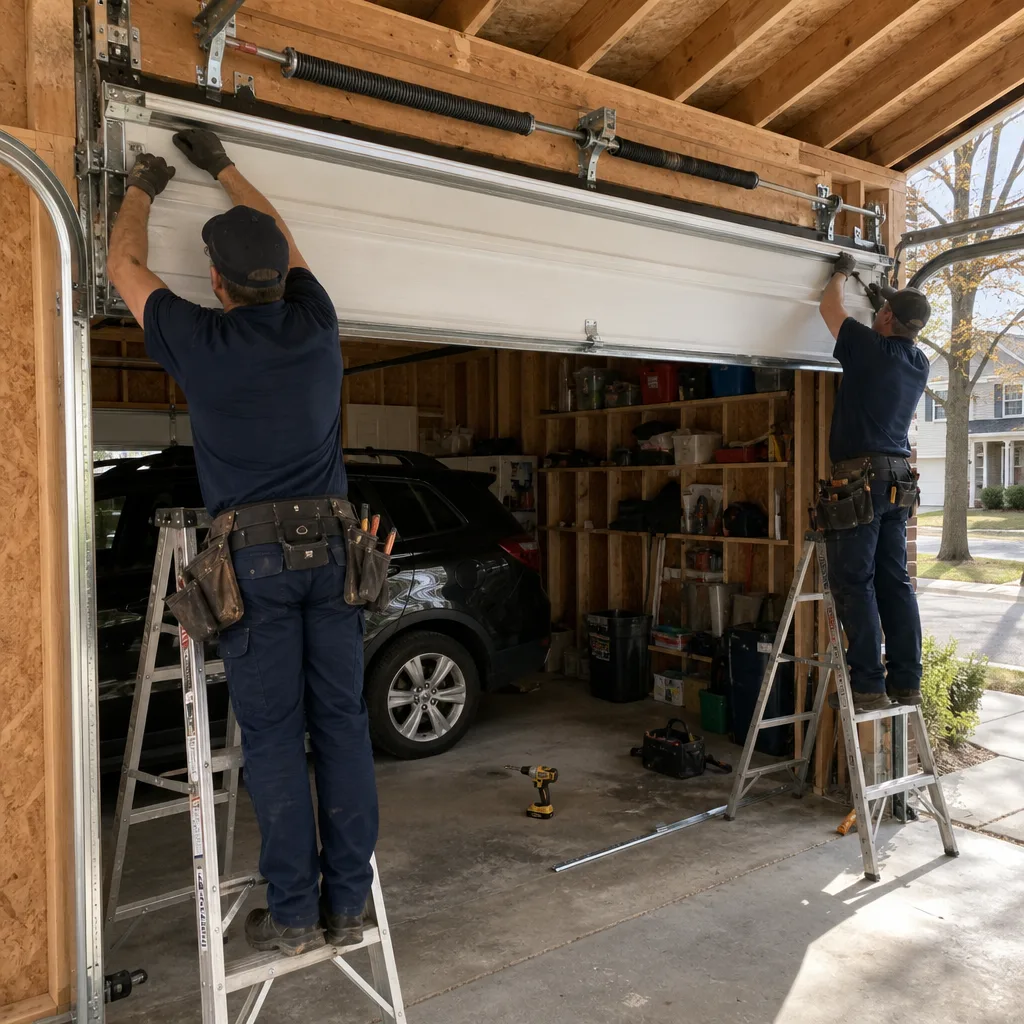
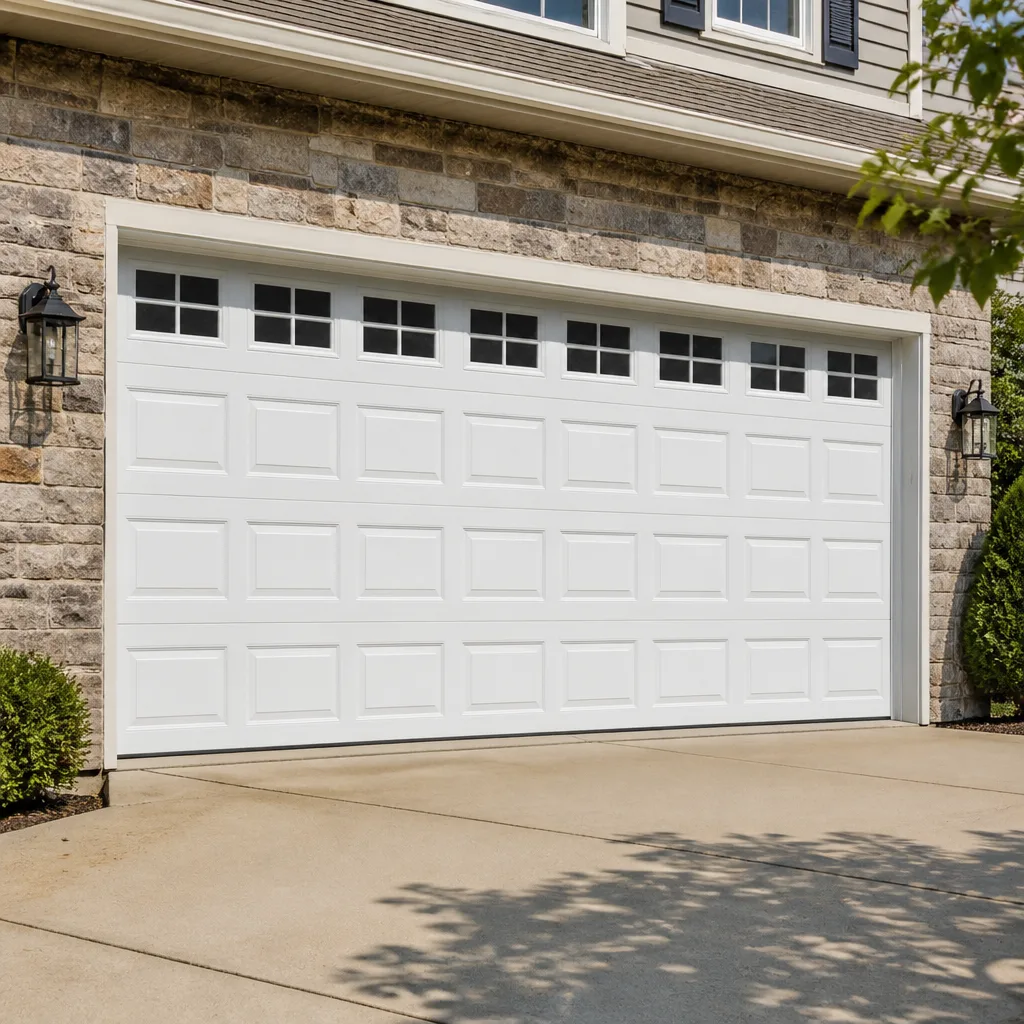 Raised-panel steel
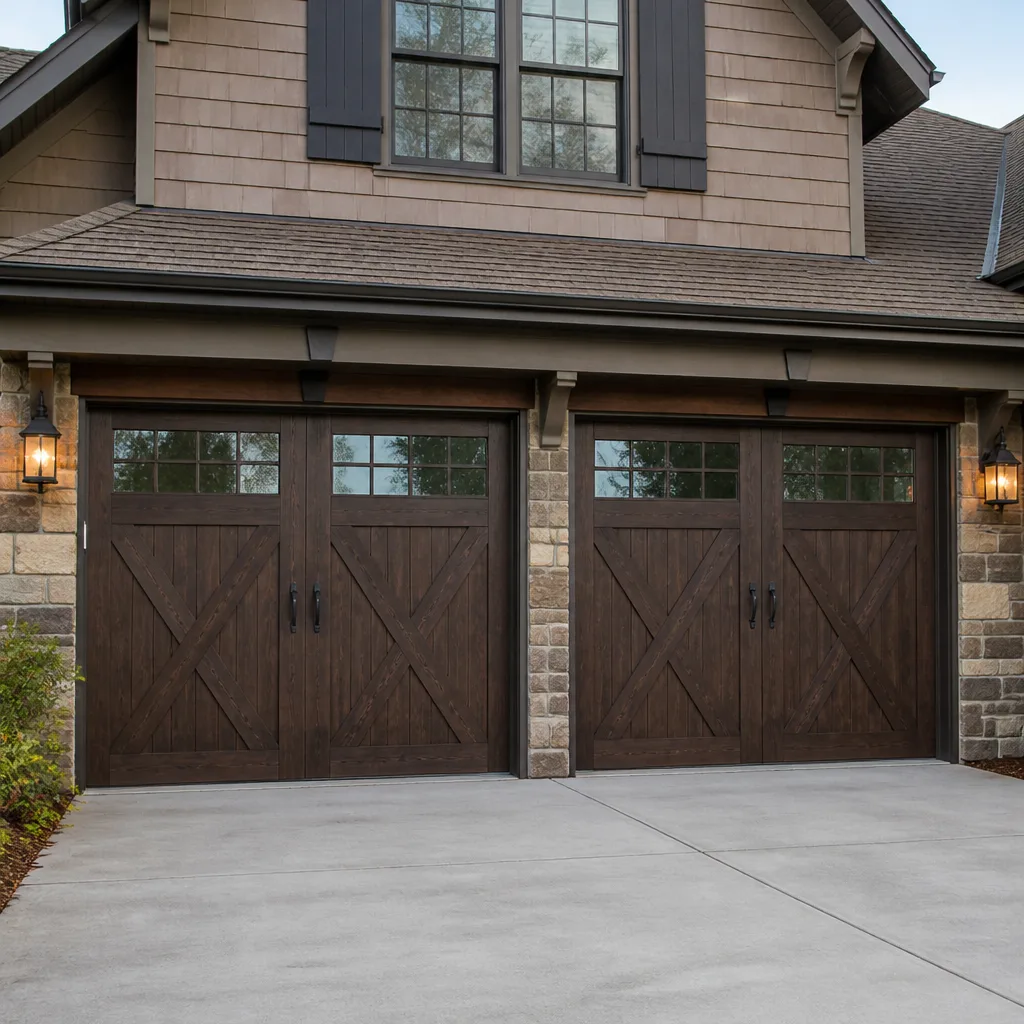 Carriage house
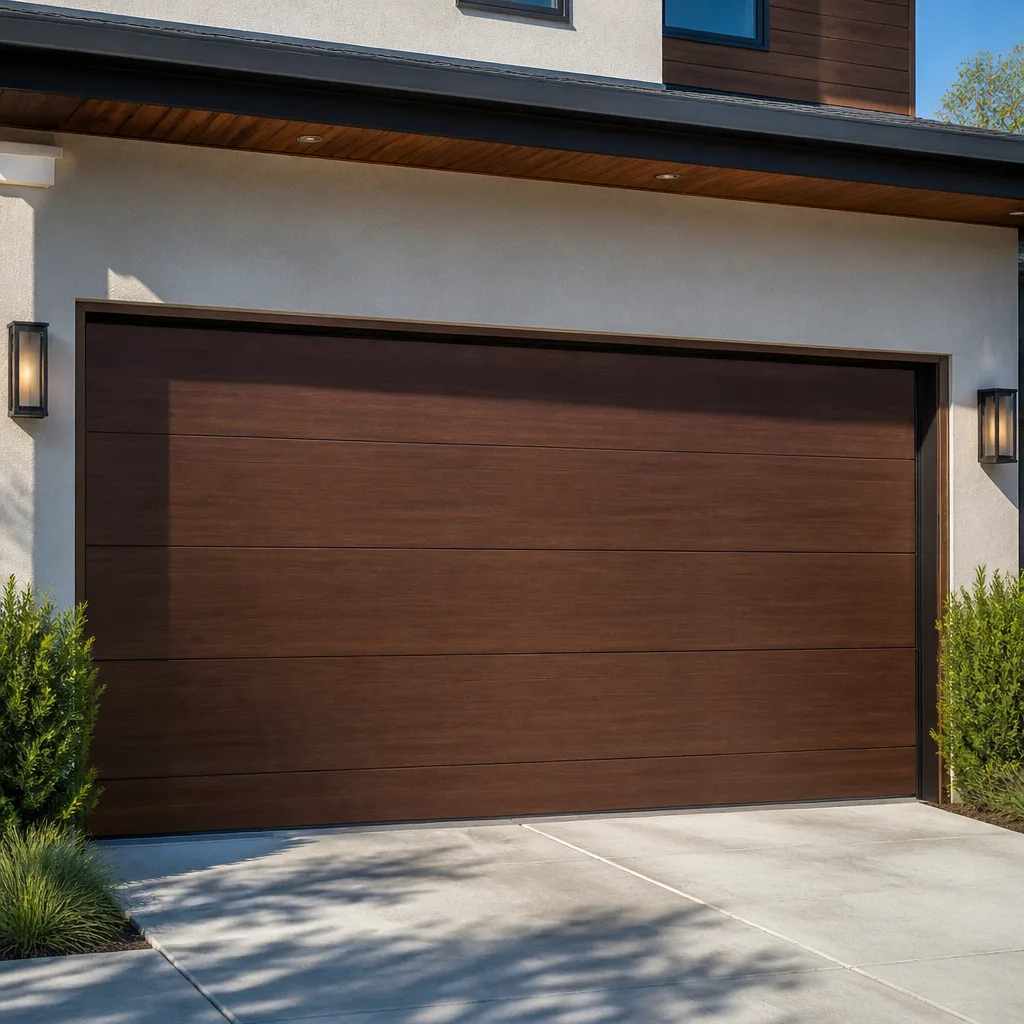 Modern flush
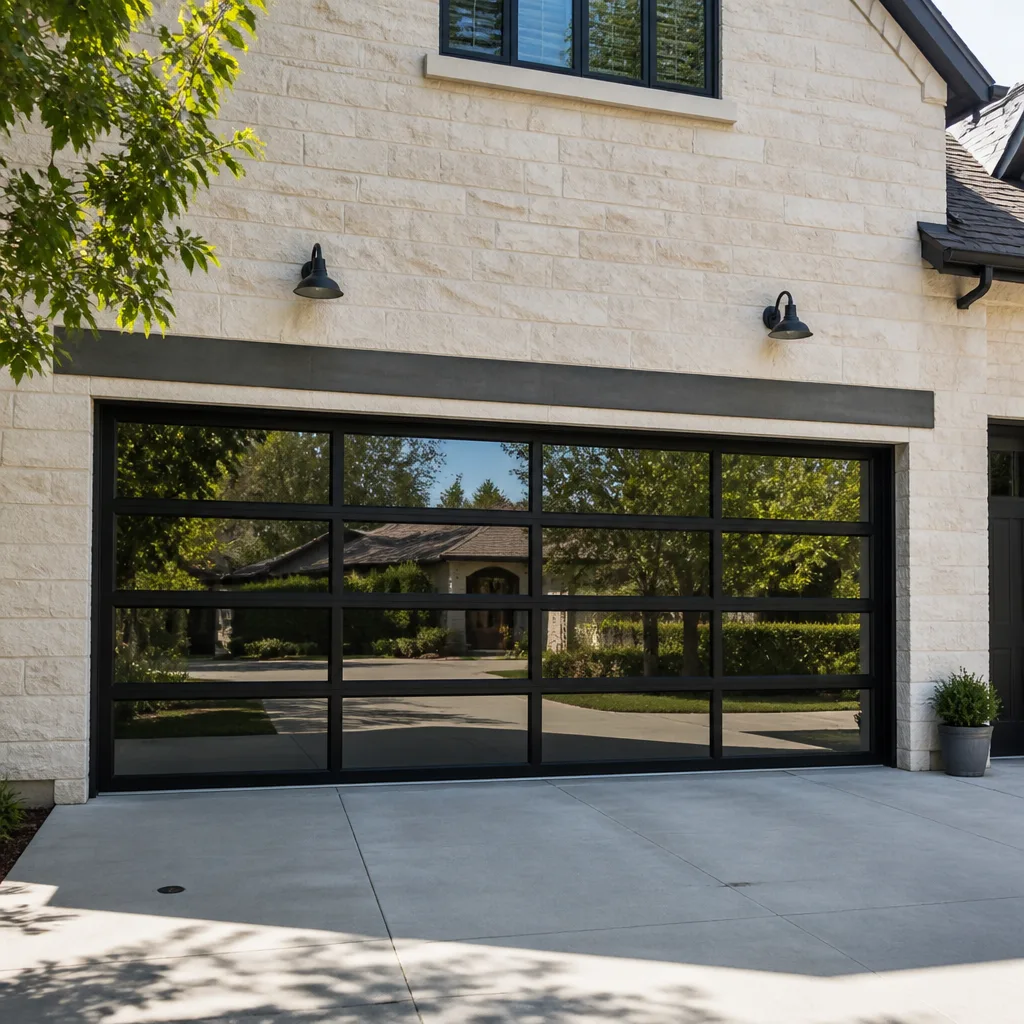 Full-view glass
 LiftMaster openers
 Chamberlain openers
Full 25-point door and opener safety check with every visit - springs, cables, rollers, tracks, and your LiftMaster or Chamberlain opener included
You get a price before we start. It does not change when the pro arrives.
Get your free estimateSeasonal Garage Door Care for Northwood: Year-Round Homeowner’s Guide
Most garage door advice tells you to “service it twice a year” and leaves it at that. In Northwood, twice a year is the wrong cadence. This part of Maryland gets four genuinely distinct seasons, and each one stresses a garage door in a different way. Winter doesn’t just make things cold. It cycles the metal through freeze and thaw for months, and that accumulation is what tends to show up as a broken spring right around February, when temperatures are still bouncing around and nobody’s thinking about their door. What follows is a month-by-month plan built around which failure mode is actually most likely in each season here, what to check, and when to leave it to a professional. Garage doors are all we do, and we’ve seen how the local weather pattern shapes the repairs that come through.
Quick Answer
Garage door care in Northwood should follow the seasons rather than a fixed twice-a-year rule. Check spring tension and weatherstripping compression in fall before the first hard freeze, switch to a cold-rated lubricant before winter, inspect cables and drums in spring after months of freeze-thaw cycling, and watch opener behavior and panel condition in summer heat. The single most important task is the fall pre-winter inspection, because it addresses the fatigue pattern that makes late winter the most common time for spring failures.
Styles & brands we work with
- Raised-panel steel
- Carriage house
- Modern flush
- Full-view glass
- LiftMaster openers
- Chamberlain openers
Table of Contents
- Why Northwood’s Seasons Break the Generic Maintenance Rule
- Fall: The Pre-Winter Inspection That Prevents February Failures
- Winter: Lubricant Viscosity and the Cold-Weather Checklist
- Spring: Post-Winter Cable and Drum Inspection
- Summer: Heat, Opener Electronics, and South-Facing Doors
- The Northwood Month-by-Month Task Calendar
- What You Can Safely Check vs. What Needs a Technician
- Common Mistakes to Avoid
- When to Call a Professional
- Frequently Asked Questions
Why Northwood’s Seasons Break the Generic Maintenance Rule
Garage doors fail in patterns. In a mild climate, the pattern is mostly about age and cycle count. In Northwood, it’s about temperature swings layered on top of cycle count, and the swings here are wide enough to matter. A door that sees repeated contraction in cold nights and expansion in warmer afternoons goes through mechanical stress that a door in a stable climate simply doesn’t. The springs, the cables, the weatherstripping, the lubricant on the moving parts, and even the opener’s circuit board all respond to those swings in their own way.
That’s why a fall-to-spring timeline makes more sense than a January-and-July reminder on your calendar. The tasks aren’t just spread out. They’re ordered by what each season does to the system, and skipping the fall work doesn’t just delay maintenance, it sets up the winter failure that lands you on the phone in February. If you want the full picture of what we handle and why certain repairs come up when they do, start with Garage Door Repair Northwood and work outward from there.
The other thing worth understanding is that “inspection” doesn’t mean the same thing in every season. A fall inspection is about tension and seals, because those are what the freeze will stress. A spring inspection is about cables and drums, because those are what the thaw cycles have been working on. A summer inspection is about electronics and panel condition, because heat changes how both behave. Treating these as one generic checklist is how people miss the thing that was actually about to fail.
Fall: The Pre-Winter Inspection That Prevents February Failures
Fall is the most important season for garage door care in Northwood, and it has nothing to do with raking leaves. The work you do in October and early November is what determines whether the door survives the thermal cycling of January and February. The dominant failure in late winter is spring fatigue that reached its tipping point, and the fall inspection is where you find the early signs before they become an emergency.
Here’s the fall sequence we recommend:
- Check spring tension by observation, not by hand. With the door closed, look at the springs above the door. Look for gaps in a torsion spring, a stretched or sagging extension spring, or a door that seems heavier than usual when you lift it manually. Never adjust tension yourself; that’s the one task that belongs to a trained technician every time.
- Test the balance of the door. Disconnect the opener (pull the release cord) and lift the door halfway by hand. A balanced door should hold roughly where you leave it. If it drops or rises on its own, the spring system needs attention before winter.
- Inspect the weatherstripping along the bottom and sides. Press the bottom seal against the floor and look for compression. A seal that’s flattened or cracked won’t keep cold air and moisture out, and that moisture is what freezes and stresses the door frame over winter. If the seal doesn’t spring back, it’s time to replace it.
- Lubricate hinges, rollers, and the track with a cold-rated lubricant. Not WD-40. A proper garage door lubricant (lithium or silicone-based) stays effective at low temperatures. Applying it in fall means it’s already in place when the cold arrives.
- Look at the cables for visible fraying. A cable with broken strands is a spring failure waiting to happen. If you see fraying, stop using the door and call for service. The garage door repair team can inspect and replace cables before they fail.
The weatherstripping compression check in step three is the task most homeowners skip. In Northwood, a bottom seal that’s lost its spring means cold air and moisture get drawn in every time the door cycles, and that’s a slow build of stress on the frame and the door itself. It’s a small part, but it’s doing real work.
If a spring is already showing signs of fatigue in the fall, don’t wait for it to break in February. Spring replacement on your schedule is far easier than an emergency call when the door won’t open. We handle spring repair as a specialty because it’s one of the most technically demanding jobs in the trade, and it’s worth doing right the first time.
Winter: Lubricant Viscosity and the Cold-Weather Checklist
Winter in Northwood is where lubricant choice starts to matter. Most garage door lubricants are formulated for a comfortable temperature range, and when the mercury drops, some of them thicken to the point where they stop doing their job. Thickened lubricant on the hinges and rollers means more resistance, which means the opener works harder, which means more strain on the springs. It’s a chain reaction that starts with a simple product choice.
What to know about winter lubricants:
- Avoid WD-40. It’s a solvent and water displacer, not a long-term lubricant. It evaporates, leaves parts dry, and attracts dust that gums up the works. It’s fine for freeing a rusted bolt; it’s the wrong product for garage door moving parts.
- Use a cold-rated garage door lubricant. Lithium grease or a silicone-based spray formulated for low temperatures stays effective below freezing. Apply it in fall so it’s already in place when the cold arrives.
- Don’t over-lubricate. A light coat is enough. Excess grease collects grit and turns into a paste that’s worse than no lubricant at all, especially in the cold.
- Keep the tracks clean. In winter, road salt and grit get tracked into the garage. Wipe down the tracks with a damp cloth and dry them before lubricating. Grit in the tracks is one of the most common causes of a door that sticks and stutters in January and February.
Beyond lubrication, winter is when you want to listen to your door. A door that sounds different than it did in summer (more grinding, more squealing, a harder clunk at the end of travel) is telling you something. The cold makes everything sound a little louder, but a new noise is worth paying attention to. If your LiftMaster or Chamberlain opener is straining or reversing unexpectedly in the cold, that’s a sign the door’s resistance has gone up and it’s worth a check. Opener behavior in winter is often a symptom of a door that needs adjustment, not a failing opener.
One more winter note: keep the area around the door clear of snow and ice. A door that’s frozen to the floor at the bottom seal shouldn’t be forced open. If the door won’t release from the floor, use warm water (not hot, and never a hammer) to free the seal before trying the opener. Forcing a frozen door is a fast way to break a spring or damage the opener’s gears.
Spring: Post-Winter Cable and Drum Inspection
Spring in Northwood is when the freeze-thaw cycle’s accumulated work shows up. All winter, the cables have been contracting and expanding, the drums have been rotating under load, and the metal has been stressed in ways that don’t announce themselves until something fails. The spring inspection is about finding that wear before it becomes a break.
What the post-winter inspection should cover:
- Cables. Look for fraying, kinks, or a cable that’s jumped off its drum. A cable that’s frayed has lost integrity and needs replacement before it snaps.
- Drums. Check the cable drums at the top of the door for wear, cracks, or a cable that’s wound unevenly. Uneven winding stresses the cable and the spring.
- Tracks. Look for bends, dents, or debris that’s accumulated over winter. A bent track will make the door bind, and binding puts extra load on the opener and springs.
- Rollers. Check for flat spots or cracks in the rollers. Cold weather makes the roller material more brittle, and a cracked roller will bind in the track.
- The balance test again. Repeat the manual balance test from fall. If the door has gotten harder to lift or won’t hold position, the spring system has lost tension over winter.
This is also a good time to test the auto-reverse safety feature. Place a small object (a roll of paper towels works) on the floor under the door and close it. The door should reverse on contact. If it doesn’t, the opener’s safety sensors or force settings need adjustment, and that’s a job for a technician. Modern openers from LiftMaster, Chamberlain, and Genie all have this feature, and it’s a genuine safety item, not a nice-to-have.
If the inspection turns up a frayed cable or a worn drum, don’t run the door until it’s repaired. A cable or drum failure under tension is a serious hazard. Our garage door opener repair service can also address opener issues that show up when the door’s resistance changes, since a door that’s binding will make any opener work harder.
Summer: Heat, Opener Electronics, and South-Facing Doors
Summer is the season most homeowners ignore, and it’s the one where the failure mode shifts from mechanical to electronic. Heat affects two things in a garage door system: the opener’s logic board and the door panels themselves. Both respond to sustained high temperatures, and both are affected by something as simple as which direction your door faces.
On the electronics side, a garage is often the hottest room in the house in summer. An opener’s logic board is a circuit board, and circuit boards don’t love sustained heat. If your opener is behaving oddly (random reversing, lights coming on by themselves, a remote that works intermittently), heat is a common culprit. It’s worth checking the opener’s manual for the recommended operating temperature range. A LiftMaster or Genie opener that’s aging may struggle more in a hot garage than a newer unit, and that’s a consideration when you’re thinking about repair versus replacement.
On the panels, a dark-colored door facing south takes direct sun for much of the day. Over time, that heat cycling can cause panels to warp or the door to bow slightly, and a bowed door doesn’t seal properly and puts uneven stress on the springs and opener. If your door faces south and is a dark color, check the panels in summer for warping, especially on a Clopay or similar steel door. A door that’s starting to bow is worth an inspection before the bow gets worse.
Summer is also the right season to think about a new door if yours is aging. Unlike a repair, a door replacement is measured, ordered, and scheduled, so it’s a project, not a same-day fix. If you’re considering it, our garage door installation service starts with a free measure and a written price, and we can talk through panel materials and insulation based on how much sun your door gets.
The Northwood Month-by-Month Task Calendar
Here’s the seasonal calendar tied to what’s happening in Northwood weather, so you can schedule each task when it matters most. The task list maps to the seasons described above.
- September: First fall inspection. Check spring tension by observation, test the balance, and inspect the bottom weatherstripping for compression. Order any replacement seals now, before the cold.
- October: Apply cold-rated lubricant to hinges, rollers, and tracks. Clean the tracks of summer grit. This is the lubricant that will carry you through winter.
- November: Final pre-winter check. Look at the cables for fraying and listen for any new noises. If a spring is showing fatigue, replace it now rather than in February.
- December through February: Winter watch. Keep the area around the door clear of snow and ice. Listen for new noises and pay attention to opener strain. Don’t force a frozen door. This is the window when spring failures are most common, which is exactly why the fall work matters.
- March: Post-winter inspection. Check cables and drums for wear, look for bent tracks, and test the auto-reverse safety feature.
- April: Repeat the balance test. If the door has lost tension over winter, address it before summer heat adds more load.
- May through August: Summer watch. Check panels on south-facing doors for warping. If the opener is behaving oddly in heat, have it checked. Clean and lubricate tracks as needed.
- Anytime: If the door won’t open or close, or a spring breaks, that’s an emergency call. Don’t wait for the next calendar slot.
The reason this calendar works better than a generic one is that it puts the highest-stakes tasks in the seasons where they prevent the most likely failure. The fall inspection is the big one. Everything else is maintenance; fall is prevention.
What You Can Safely Check vs. What Needs a Technician
There’s a real line between what a homeowner can check and what a trained technician should handle, and it runs right through the spring system. Garage door springs operate under extreme tension. A torsion spring that’s properly wound stores enough energy to cause serious injury if it releases unexpectedly, and adjusting or replacing one without the right tools and training is genuinely dangerous. This isn’t a “be careful” situation; it’s a “don’t do it” one. The same goes for cables and drums, which are under similar tension.
Safe for homeowners to check:
- Visual condition of the door panels (warping, dents, cracks)
- Weatherstripping compression and condition (press it and see if it springs back)
- Track cleanliness and visible bends
- Roller condition (flat spots, cracks)
- The manual balance test (door disconnected from opener, lifted halfway by hand)
- Auto-reverse safety function (object under the door)
- Listening for new noises and observing opener behavior
- Applying cold-rated lubricant to hinges, rollers, and tracks
Leave to a technician:
- Any spring adjustment, repair, or replacement
- Cable and drum inspection that requires disassembly or adjustment
- Track realignment if the door is binding
- Opener force and travel limit adjustments
- Logic board or sensor diagnosis on LiftMaster, Chamberlain, Genie, or Craftsman openers
- Any repair where the door needs to be taken off its tracks
Our technicians have up to 9 years of experience with spring systems specifically, and that experience is the difference between a repair that holds and one that fails again. When in doubt, call. A diagnostic visit is far cheaper than a hospital visit or a door that fails completely.
Common Mistakes to Avoid
- Using WD-40 as a lubricant. It’s a solvent, not a long-term lubricant. It dries out the moving parts and attracts grit. Use a cold-rated garage door lubricant instead, and apply it in fall before the cold.
- Skipping the fall weatherstripping check. A flattened bottom seal lets cold air and moisture in all winter, which stresses the frame and the door. Press the seal and see if it springs back; if it doesn’t, replace it before the freeze.
- Forcing a frozen door open. If the bottom seal is frozen to the floor, forcing the opener or the door by hand can break a spring or strip the opener’s gears. Free the seal first with warm water.
- Waiting for a spring to break before replacing it. A fatigued spring is a predictable failure. If it’s showing signs in fall, replace it on your schedule rather than in an emergency in February.
- Ignoring new noises in winter. The cold makes everything a little louder, but a genuinely new grinding or squealing sound is telling you something. Get it checked before spring, not after.
- Assuming a south-facing dark door is fine because it’s “just a garage door.” Direct sun on dark panels causes heat cycling that can warp panels over time. Check a south-facing door in summer for bowing.
- Adjusting spring tension yourself. Springs are under extreme tension. This is the one task that should never be a DIY project, no matter how handy you are.
When to Call a Professional
Call a professional if a spring has broken (the door will suddenly be very heavy, and you’ll likely hear a loud bang), if a cable is frayed or has come off its drum, if the door is off its tracks or visibly crooked, if the opener runs but the door doesn’t move, or if the door reverses unexpectedly and won’t stay closed. Those are safety and security issues, and they don’t improve with time. A door that won’t close is a security problem; a door that won’t open is an access problem; a spring that’s broken but still attached is a hazard. In any of those cases, stop using the door and call. Garage Door Repair Northwood offers free estimates in Northwood. Call (877) 492-1668 and we’ll take a look. If it’s urgent, we offer emergency garage door service for situations that affect your home’s security or access, and our technicians are trained on the major brands you’re most likely to have.
For non-urgent work, like a worn weather seal, a sticking door, or an opener that’s behaving oddly, a scheduled appointment is fine. If you’re planning a new door, that’s a scheduled project too, starting with a free measure and a written price.
Frequently Asked Questions
Follow the seasons rather than a fixed twice-a-year rule. The most important service is the fall pre-winter inspection (spring tension, weatherstripping, lubrication), followed by the spring post-winter inspection (cables, drums, balance test). Summer is for checking opener electronics and panel condition. That’s four check-ins a year, each focused on the failure mode most likely in that season.
The cold itself isn’t usually the direct cause. It’s the cumulative effect of months of thermal cycling (contraction on cold nights, expansion on warmer days) that fatigues the metal. By late winter, the spring has been through enough cycles that it’s near its tipping point, and a cold snap or a sudden temperature drop can be the final straw. That’s why the fall inspection matters so much: it’s your chance to catch the fatigue before it breaks.
No. WD-40 is a solvent and water displacer, not a long-term lubricant. It evaporates, leaves the moving parts dry, and attracts dust. Use a cold-rated garage door lubricant (lithium or silicone-based) on hinges, rollers, and tracks, and apply it in fall so it’s in place before the cold. A light coat is enough.
Torsion springs are mounted horizontally above the door and wind around a shaft; extension springs run along the sides of the door. Both store energy to help lift the door, and both are under extreme tension. Torsion springs are more common on newer doors, and a broken torsion spring usually means the door won’t lift at all. Neither type should be adjusted or replaced by a homeowner.
Spring repair is priced per spring, and a matched pair is usually replaced together, so a pair costs roughly twice a single spring. The written estimate sets the final price, and we quote and agree on the price before any work starts. Call (877) 492-1668 for an exact quote; estimates are free.
No. Garage door springs operate under extreme tension, and a spring that releases unexpectedly can cause serious injury. This isn’t a task where being handy is enough; it requires the right tools and the right training. The same goes for cables and drums. Call a professional for any spring, cable, or drum work.
The Bottom Line
Northwood’s four seasons each create a different dominant garage door failure, and the right maintenance schedule is built around those seasons, not a generic twice-a-year reminder. The fall pre-winter inspection is the highest-value task, because it addresses the fatigue pattern that makes late winter the most common time for spring failures. Winter is about cold-rated lubricant and not forcing a frozen door. Spring is about cables and drums after months of freeze-thaw. Summer is about opener electronics and panel warping on south-facing doors. Do the checks you can safely do, leave the springs and cables to a trained technician, and call before a small issue becomes an emergency.
If you’d like a professional assessment of your door this season, call Garage Door Repair Northwood at (877) 492-1668 for a free estimate. We handle repair, opener repair, spring repair, and full installation on the major brands, and we’re available for emergency service when a door failure affects your security or access.
Written by the team at Garage Door Repair Northwood.
See the difference
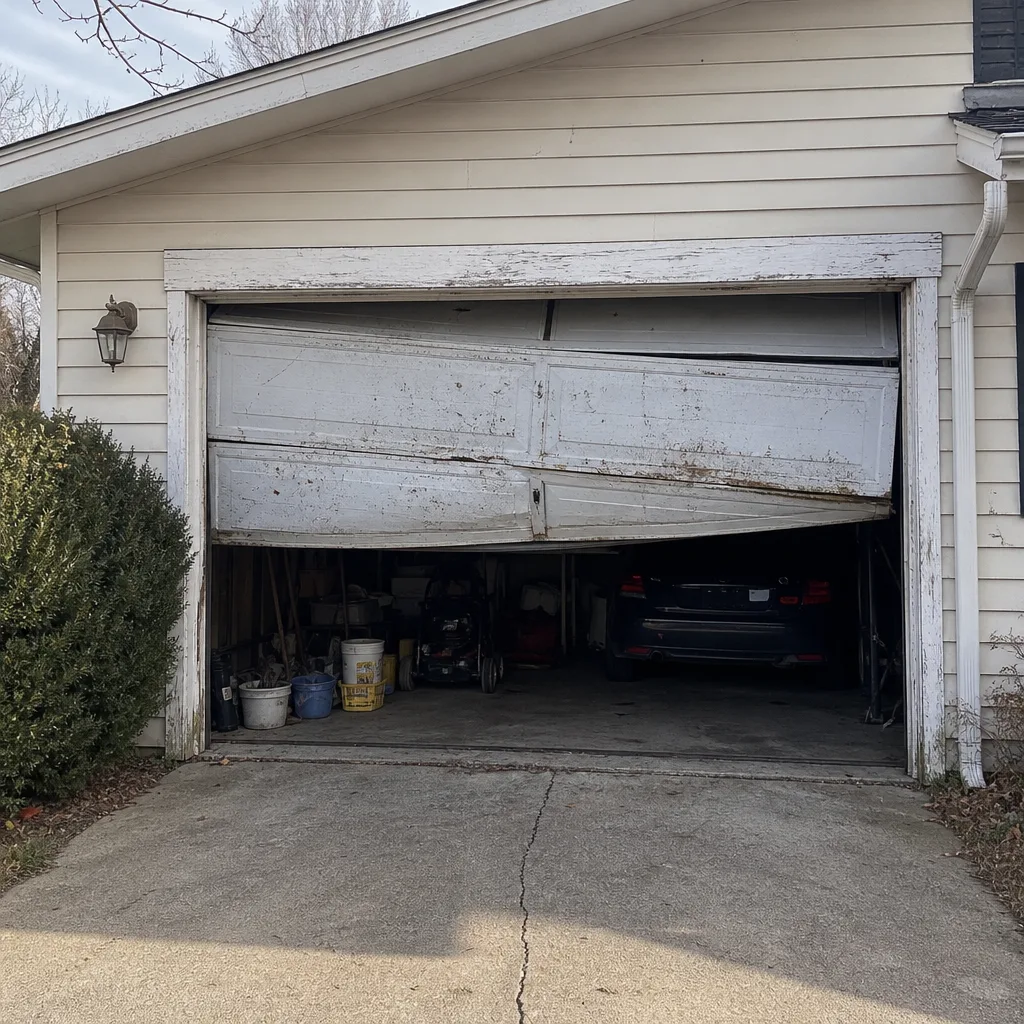 Before
 After
 Before
 After
 Before
 After