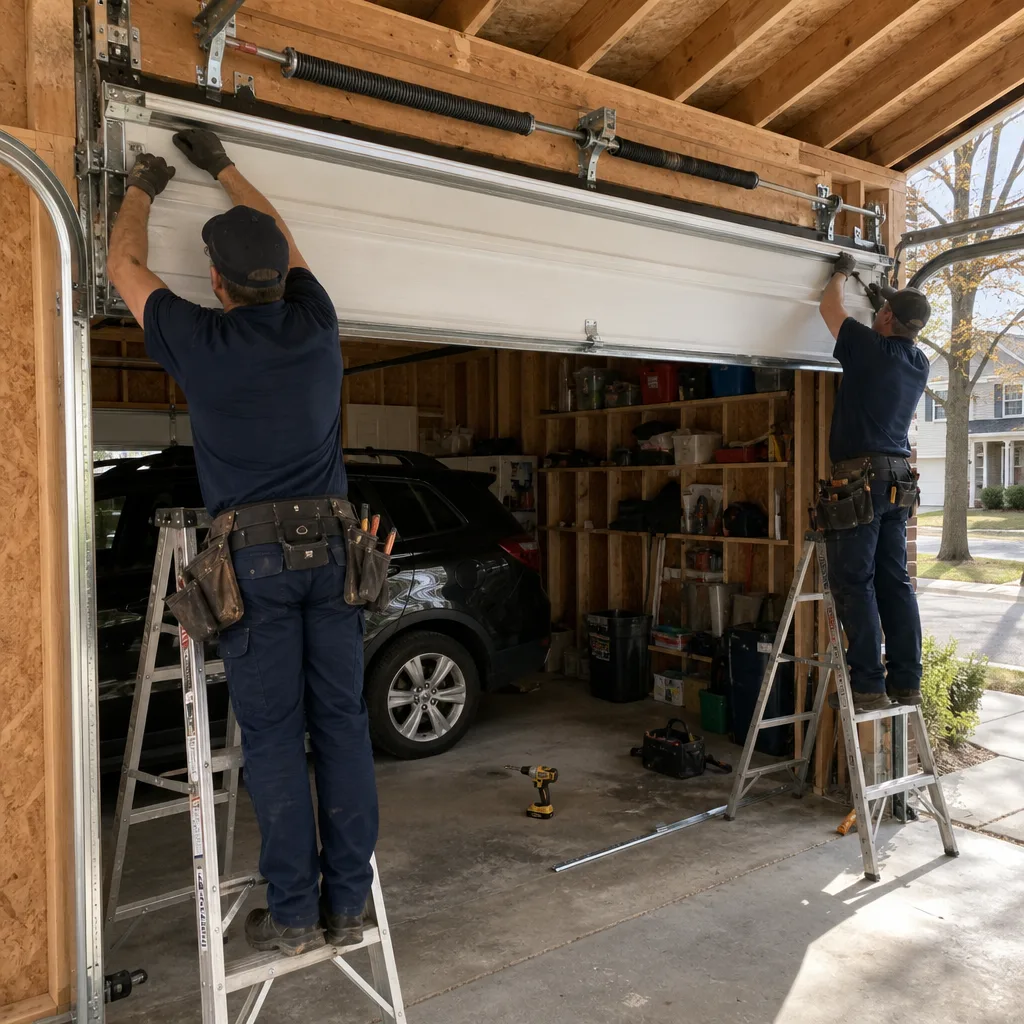
Last updated November 20, 2026
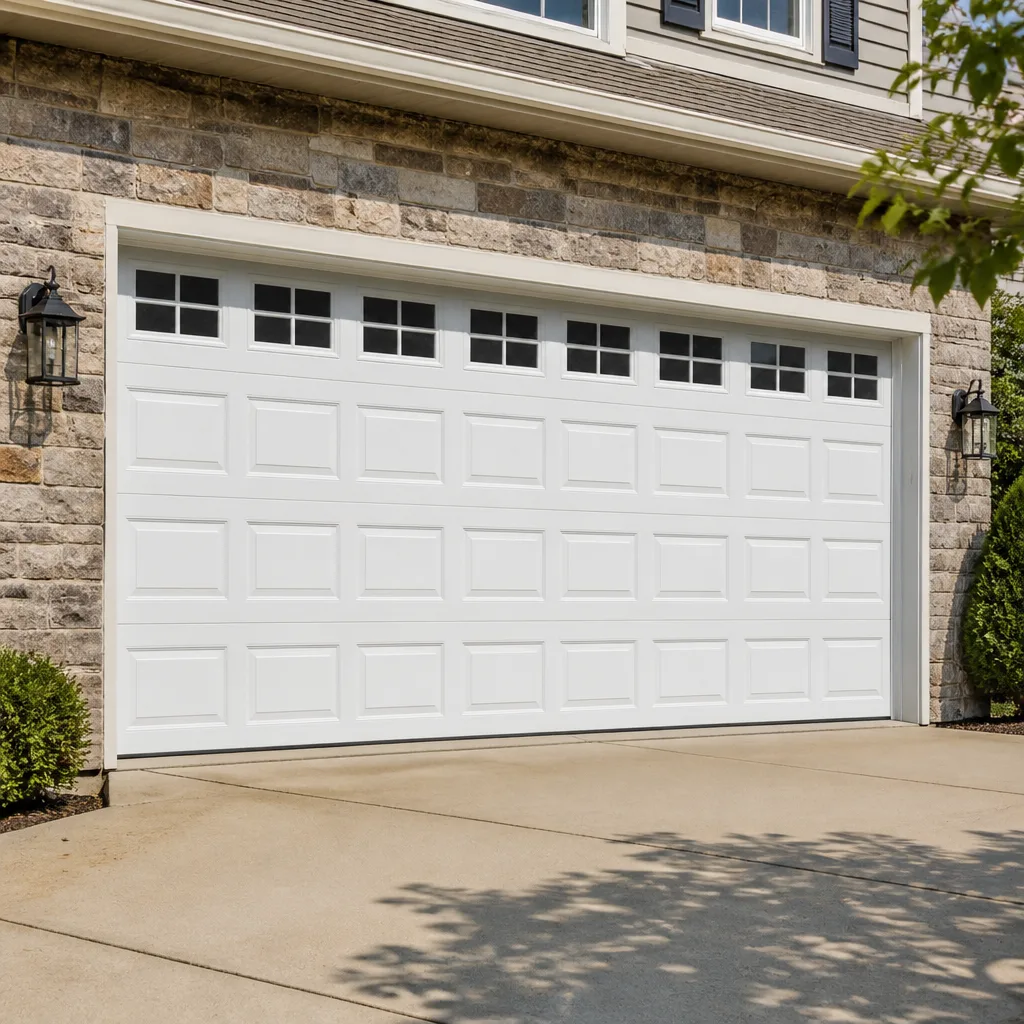 Raised-panel steel
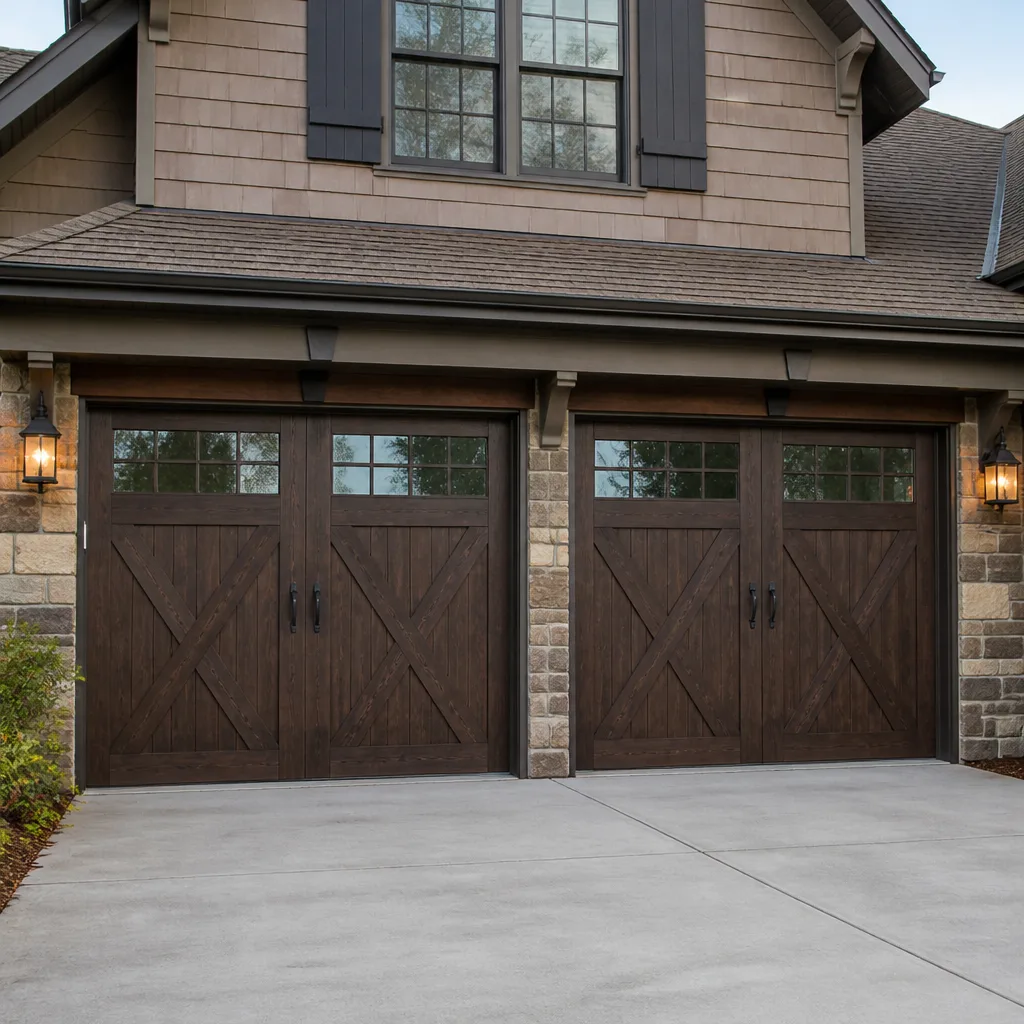 Carriage house
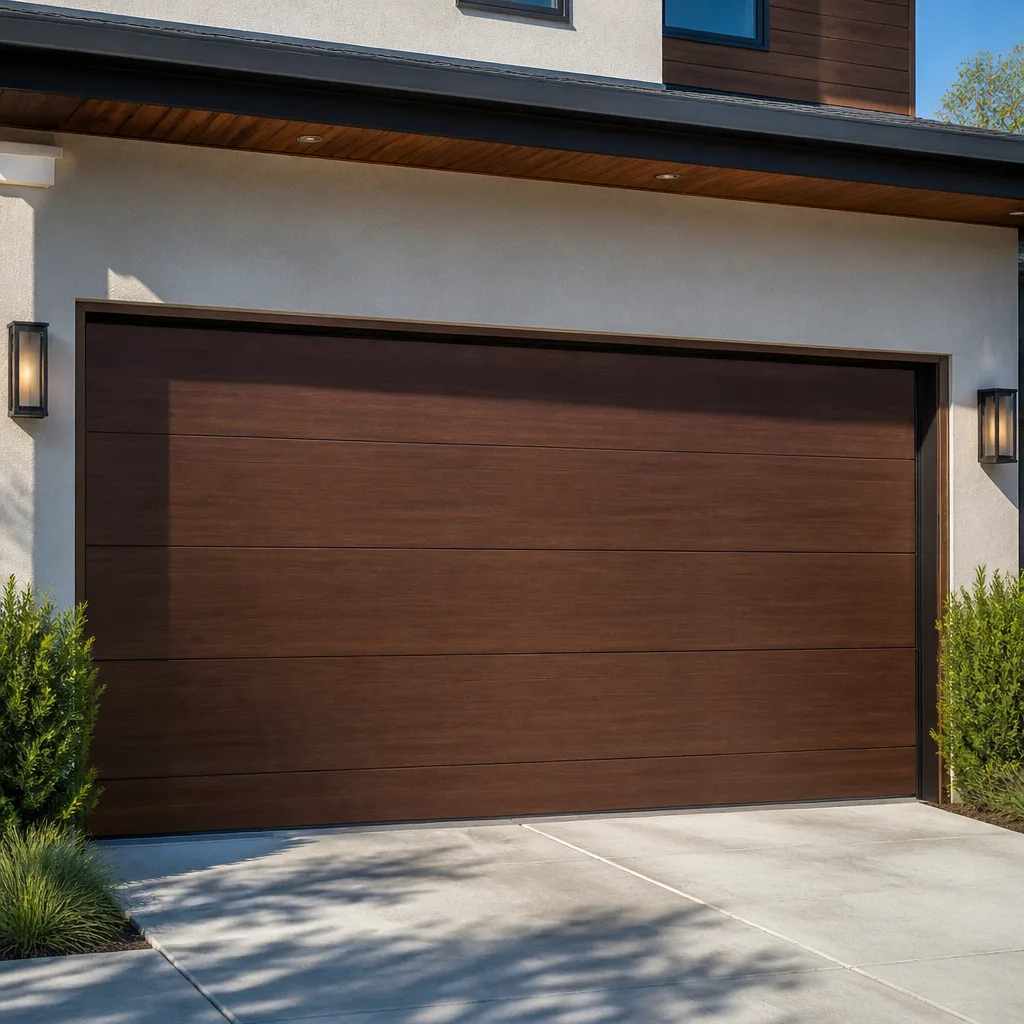 Modern flush
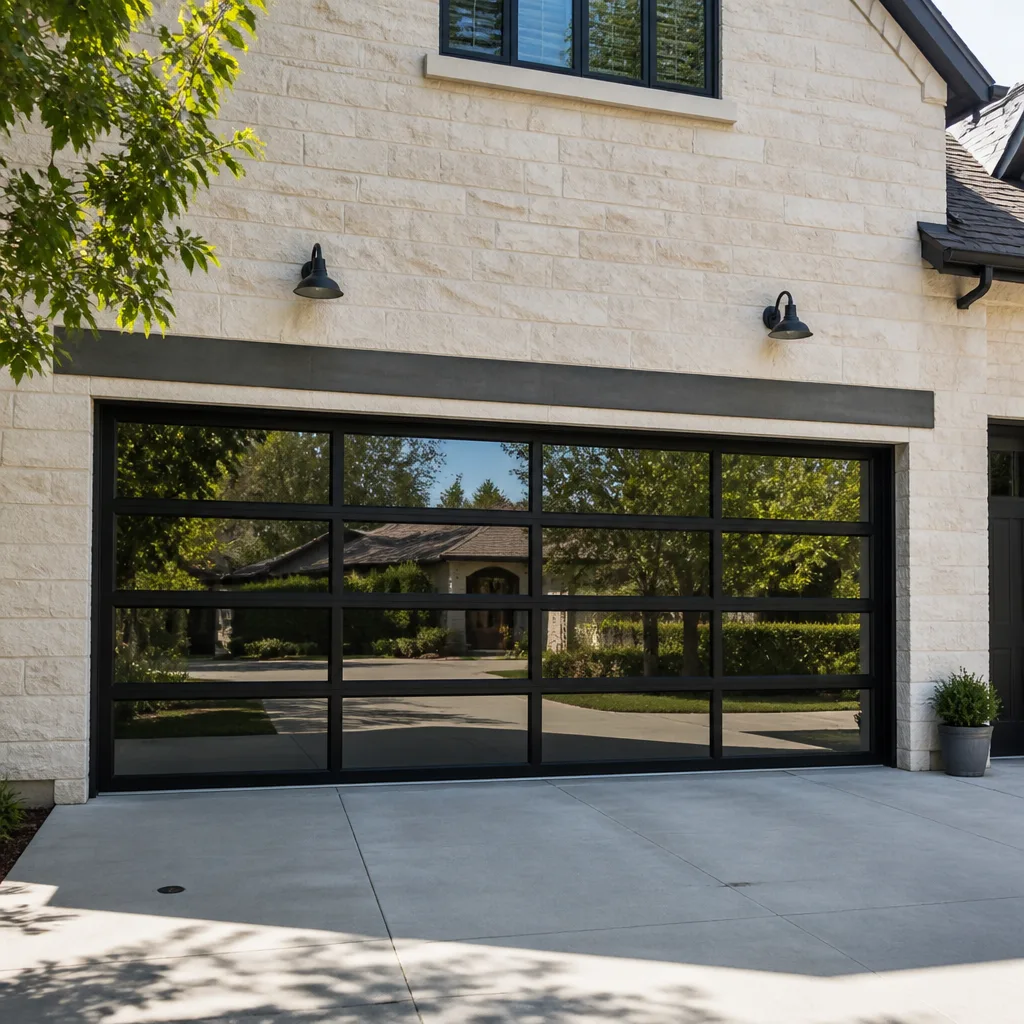 Full-view glass
 LiftMaster openers
 Chamberlain openers
Full 25-point door and opener safety check with every visit - springs, cables, rollers, tracks, and your LiftMaster or Chamberlain opener included
You get a price before we start. It does not change when the pro arrives.
Get your free estimateGarage Door Permits, Codes & Inspections in Northwood, MD: What You Need to Know
Here’s the part that surprises most Northwood homeowners: swapping a garage door for a new one of the same size usually doesn’t require a permit in Baltimore County. That exemption is real, and it saves you time and money. But it comes with conditions, and stepping outside them turns a straightforward replacement into a stop-work order and a required inspection. The line between “just swap the door” and “now you need a permit” isn’t obvious, and it’s exactly where projects go sideways. This guide walks through the Baltimore County rules in plain language, explains the four conditions that trigger a permit, covers the fire-rated door requirement that catches people off guard, and shows what a failed inspection actually costs compared with pulling the permit upfront.
Quick Answer
In Baltimore County, a like-for-like garage door replacement (same size, same opening, no structural changes) generally does not require a permit. You do need a permit when the job involves a new rough opening, any change to the structural header above the door, new electrical work for a modern opener, or a door that serves as a fire separation between an attached garage and the living space. When in doubt, confirm directly with Baltimore County’s building department before work starts.
Styles & brands we work with
- Raised-panel steel
- Carriage house
- Modern flush
- Full-view glass
- LiftMaster openers
- Chamberlain openers
Table of Contents
- Does replacing a garage door in Northwood require a permit?
- The four conditions that turn a replacement into a permitted job
- Header modifications: why structural changes always need a permit
- Electrical permits for new opener circuits
- Fire-rated doors between the garage and living space
- What a failed inspection actually costs
- Brand-specific quirks that affect compliance in Northwood
- How the permit and inspection timeline works
Does replacing a garage door in Northwood require a permit?
Usually not. Baltimore County treats a straight replacement the same way it treats replacing a window: if you’re putting back a door of the same size in the same opening and nothing structural changes, the county generally doesn’t require you to pull a permit. Most Northwood replacements fall into that category. A worn-out Wayne Dalton gets swapped for a new door with the same dimensions, the tracks and springs go back in the same configuration, and the job is done without paperwork.
The exemption is narrow, though, and it depends on the job staying truly like-for-like. Three things have to hold:
- Same opening. The rough opening width and height don’t change. You’re not widening the doorway to fit a larger door or raising the header to gain clearance.
- Same structure. No cutting, sistering, or modifying the header, jambs, or framing. The structural load path above the door stays exactly as it was.
- Same electrical setup. The existing opener circuit stays in place. You’re not running a new dedicated circuit from the panel.
Miss any one of those and you’ve moved from “replacement” to “alteration,” which is where the county’s permit requirements kick in. That’s the whole game: staying on the right side of the line. It’s also why a careful measure before ordering matters so much. Once a door is manufactured and delivered, changing the opening to fit it is the expensive path. Measuring twice is cheaper than pulling a permit and moving a header.
Our technicians have up to 9 years of experience and have worked through the permit question on hundreds of Northwood jobs. The pattern is consistent: the smallest structural tweak is what pushes a job over the line. If a replacement quote suddenly involves cutting framing, ask why, and confirm the permit status with the county before the saw comes out.
The four conditions that turn a replacement into a permitted job
These are the four specific situations in Baltimore County where a garage door replacement stops being exempt and starts requiring a permit. Any one of them is enough. Think of them as tripwires.
- A new rough opening. If the job involves cutting a new opening in the wall, or substantially enlarging the existing one, you need a permit. This covers new construction, converting a wall to a garage bay, or widening an undersized opening to fit a larger door.
- A structural header change. The header is the beam that spans the top of the opening and carries the load above it. Any modification to it, whether to raise clearance, correct a sag, or accommodate a different door system, is a structural alteration and requires a permit.
- New electrical work. Running a new dedicated circuit for a modern smart opener requires an electrical permit. If the existing circuit already serves the opener and you’re just swapping the unit on the same wiring, that’s usually not new electrical work.
- Fire separation changes. If the garage door or the wall assembly between an attached garage and the living space is serving as a fire separation, and the replacement affects that fire rating, a permit applies. This is the one homeowners most often miss.
If your job touches none of these, you’re likely in exemption territory for a Northwood replacement. If it touches any, stop and call the county’s building department to confirm what’s needed. Getting this right before the door goes up is far simpler than dealing with a correction after.
Header modifications: why structural changes always need a permit
Garage door headers carry weight. The wall above a garage door opening supports the roof structure or the floor above, and the header is the beam that bridges that span. When a garage door is replaced, the header is usually untouched. But there are cases where a header comes into play, and those cases are always permit-required structural work.
A header modification becomes necessary when:
- The existing header is sagging or failing, and needs to be corrected or replaced before a new door can be installed and operate smoothly.
- A Northwood homeowner wants more vertical clearance than the current opening provides, so the door can be taller or the ceiling-mounted tracks can sit higher.
- The opening is being widened, which changes the span the header carries and requires the new beam to be engineered.
- An older garage was built with an undersized header, and a heavier door is going in that the framing can’t carry as-is.
Any of those changes moves the project into structural alteration territory. The structural integrity of the load path above the opening can’t be left to the door installer’s judgment alone. The permit process exists to make sure an engineer or a code official signs off on the beam sizing and load calculations before the wall is opened up.
Sagging headers are worth taking seriously. A door that binds or a gap that opens up at the top of the opening can be a symptom of a header problem rather than a door problem. In our experience, that’s where a replacement job suddenly becomes a construction project. If a new door won’t hang or operate cleanly because the framing is out of square or dropping, the fix isn’t a bigger track bracket. It’s a structural repair, and that’s a permit job. A garage door repair visit is a good way to find out whether the problem is the door or the wall above it before you commit to a new purchase.
Electrical permits for new opener circuits
Modern openers run on their own dedicated circuit, usually a 20-amp line from the electrical panel that serves the garage only. That setup matters. Openers draw surge current at startup, and sharing a circuit with other garage loads can cause nuisance trips, dropped Wi-Fi connections on smart openers, and premature control board failures. If your Northwood home already has a dedicated circuit serving the opener, replacing the opener with a new LiftMaster or Chamberlain unit on the same wiring is usually a straight swap.
What’s different: pulling new wire from the panel to the garage ceiling is electrical work, and in Baltimore County it requires an electrical permit. That covers:
- Running a new dedicated 20-amp circuit from the panel.
- Adding a circuit where the garage had none, or where the opener was previously plugged into an existing shared circuit.
- Reconfiguring the panel to open a slot for the new breaker.
- Adding outlets or a subpanel that changes the garage’s electrical load.
If you’re upgrading to a modern smart opener with battery backup, Wi-Fi connectivity, or integrated lighting, check whether the existing circuit is adequate first. Many older homes in Northwood were wired long before smart openers existed, and the opener may be on a shared circuit with the overhead lights. A licensed electrician handles the panel work and the permit. Garage door technicians don’t do electrical work; we handle the door and the opener installation on existing wiring, and we coordinate with the electrician when new circuits are needed. That separation is deliberate. It keeps the work properly permitted and keeps the panel safe.
Fire-rated doors between the garage and living space
This is the code point that gets overlooked most often on a “simple replacement.” Under the International Residential Code, specifically section R302.5, the door between an attached garage and the living space must meet certain fire separation requirements. The intent is to slow a fire originating in the garage before it reaches the house. An attached garage shares walls, a ceiling, and often a door with the living space, so the separation isn’t optional.
When a garage door is replaced, the question is whether it serves as part of that fire separation. For most Northwood homes, the “door between garage and living space” that R302.5 refers to is the pedestrian door that leads from the garage into the house, not the big overhead door. The overhead garage door is typically on the exterior wall, facing the driveway, and isn’t the fire separation the code addresses. But there are exceptions, and the line can blur:
- Garages that are attached on more than one side, where the overhead door sits close to or within the fire separation assembly.
- Conversions or additions where the original exterior garage door became an interior partition.
- Homes with an attached garage under a living space, where the entire ceiling-and-wall assembly around the garage is fire-rated.
When the overhead door is part of a fire separation assembly, changing it out is no longer a simple replacement. The new door and its hardware need to preserve the fire rating, and that’s a permit-and-inspection situation. It’s also a reason to confirm the assembly before ordering. In our experience, most Northwood garage doors are exterior and outside the fire separation, but the only way to know for sure is to check the wall and the drawings, especially on homes where the garage has been modified or enclosed.
What a failed inspection actually costs
The cost of a failed inspection isn’t measured in a single fee. It’s measured in delay, rework, and the difference between a project you planned and a project that now runs your schedule. The inspection fee itself is modest. The real cost is everything that comes after: the re-inspection fee when the work is corrected, the door or framing that may need to come back out to expose the correction, and the downtime while the garage is non-functional.
Here’s how a failed inspection typically unfolds on a permitted Northwood job:
- The inspector finds the work doesn’t match the permit. A header modification was made differently than the drawings showed, the fire separation wasn’t maintained, or the electrical work wasn’t completed per the approved scope.
- Work stops. Depending on the failure, the garage door may need to stay out of service until corrections are made and re-inspected.
- Corrections happen, then a re-inspection is scheduled. The re-inspection carries another fee, and the schedule depends on the county’s availability.
- The project timeline stretches. Every day the door is unavailable is a day the garage doesn’t work as a garage.
Compare that to the cost of pulling the permit upfront: a permit fee, an inspection, and the time to have it done. The permit is the cheaper path every time. The reason to know the four conditions isn’t to avoid permits that apply to you; it’s to avoid the much larger cost of discovering them after the work is done. When the county does require a permit, the sequence is straightforward: confirm the scope, pull the permit, complete the work, get the inspection, and only then consider the job finished.
Brand-specific quirks that affect compliance in Northwood
Brand matters less to the county than configuration does, but it matters to the door. A LiftMaster opener with integrated battery backup and Wi-Fi needs a stable power source. A Raynor door with a heavy-gauge panel may need closer attention to the torsion spring sizing than a lighter Wayne Dalton. These details don’t change whether a permit is required, but they affect whether a replacement stays within the exemption or pushes toward alterations.
For example, a Craftsman opener running on a shared circuit may have been fine with the original door weight, but a heavier replacement door can accelerate wear on the opener’s drive gear and control board. The door and opener are a system, and the county’s exemption is written for like-for-like, not for changes in system weight or operation. If the new door is heavier than the old one, the spring and opener sizing should be reviewed, and that’s a good moment to make sure the electrical setup is adequate. When you need help with a system that’s out of balance or failing, garage door repair covers the full range of brands.
The practical advice: before replacement, measure the old door and the opening, check the panel weight and the opener’s capacity, and confirm the wall construction. Those three checks tell you whether the job stays in exemption territory. It’s why brand-informed installation matters. We work on Wayne Dalton, LiftMaster, Raynor, Craftsman, and the rest of the major brands specifically, and that brand familiarity includes knowing where each system sits relative to code and structure. If you’re planning a new door, garage door installation covers the sizing and system review that comes before the paperwork.
How the permit and inspection timeline works
For a permitted garage door job in Baltimore County, the timeline generally runs: scope confirmation, permit application and review, work, and inspection. There’s no universal clock, so ask the county’s building department about current review times when you apply. That one phone call beats guessing every time.
A typical sequence for a job that does require permits:
- Confirm the scope. Decide whether the work is a replacement, a structural alteration, or an electrical change, and document exactly what’s involved.
- Apply for the permit. The application covers the scope and any drawings or plans the county requires for structural or electrical work.
- Complete the work. The door, header, or electrical is installed per the approved scope.
- Request the inspection. The county reviews the work, and once it passes, the job is closed out.
If you’re in an unincorporated part of the Northwood area, confirm which jurisdiction has permitting authority before filing. Garage door replacement doesn’t need to feel like a bureaucratic ordeal, and for most Northwood homes the exemption applies. Knowing where the line is protects you both ways: it keeps you from pulling permits you don’t need and keeps you from skipping ones you do. Ready to move forward on a replacement or repair? The full-service team at Garage Door Repair Northwood handles repair, springs, openers, and installation in one call.
Common Mistakes to Avoid
- Assuming all replacements are exempt. The exemption applies only to like-for-like jobs. If anything structural or electrical changes, run the permit question by the county before work starts.
- Cutting the header without pulling a permit. Every header modification is a structural alteration. A door that “just needed a little more clearance” is still a permit job.
- Ignoring the fire separation on attached garages. Check whether the door is part of a fire-rated assembly. If it is, replacing it affects the rating and needs to be handled accordingly.
- Running new electrical without a permit. A new dedicated circuit for a smart opener requires an electrical permit. Shared-circuit swaps are usually fine, but new wire from the panel is not.
- Ordering the door before measuring the opening. A door that arrives the wrong size turns a replacement into a framing change. Measure twice, order once.
- Waiting until after the install to confirm the rules. A five-minute call to Baltimore County before the job saves weeks of rework if a permit was needed.
- Mixing up the overhead door and the pedestrian door. R302.5 usually addresses the door from the garage into the house. Confirm which door serves the fire separation before assuming the overhead door is exempt or covered.
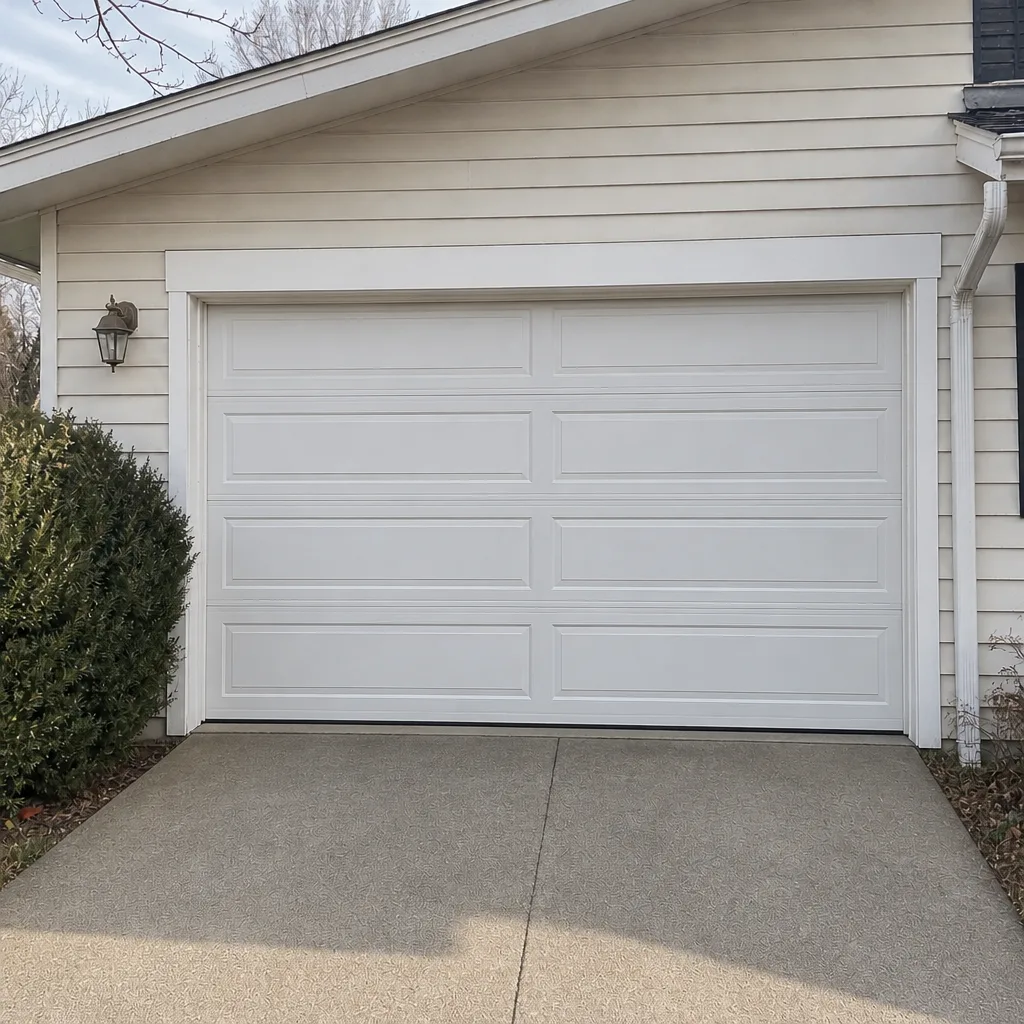
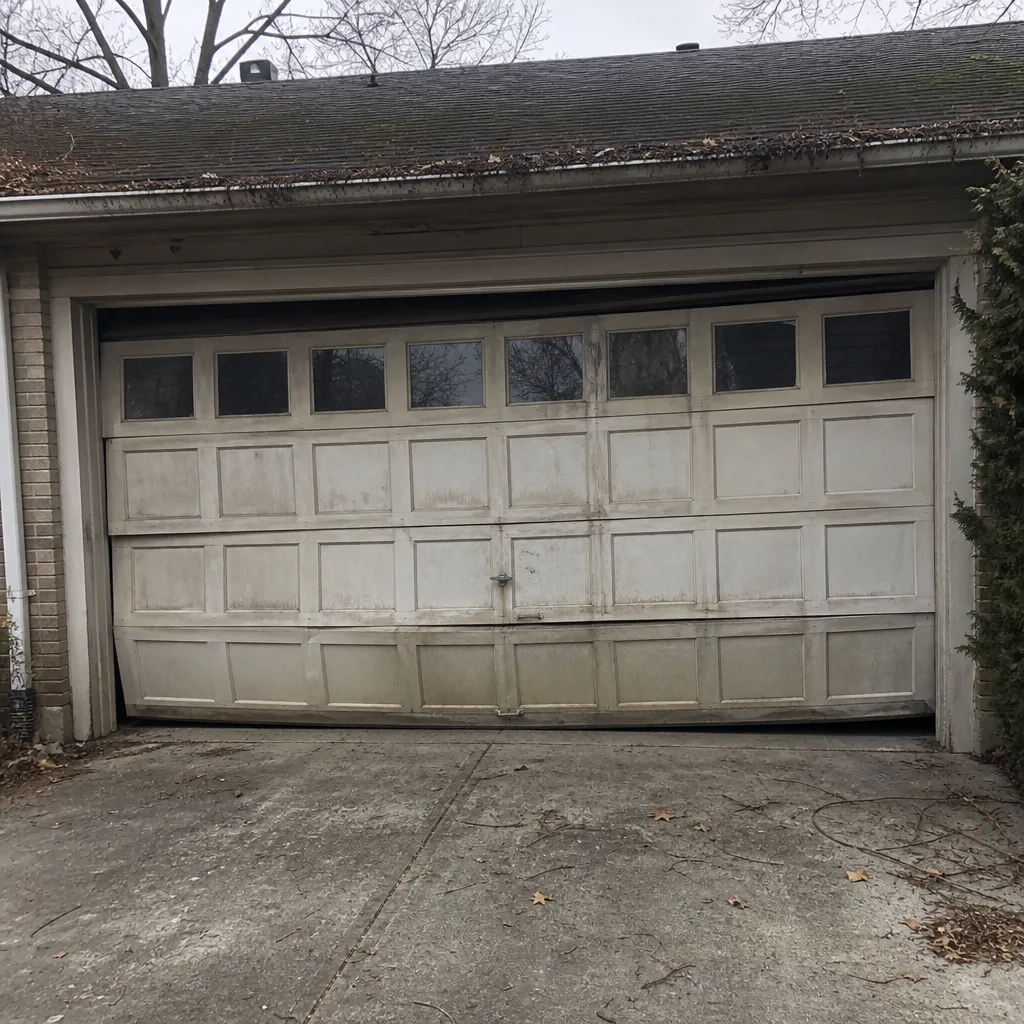
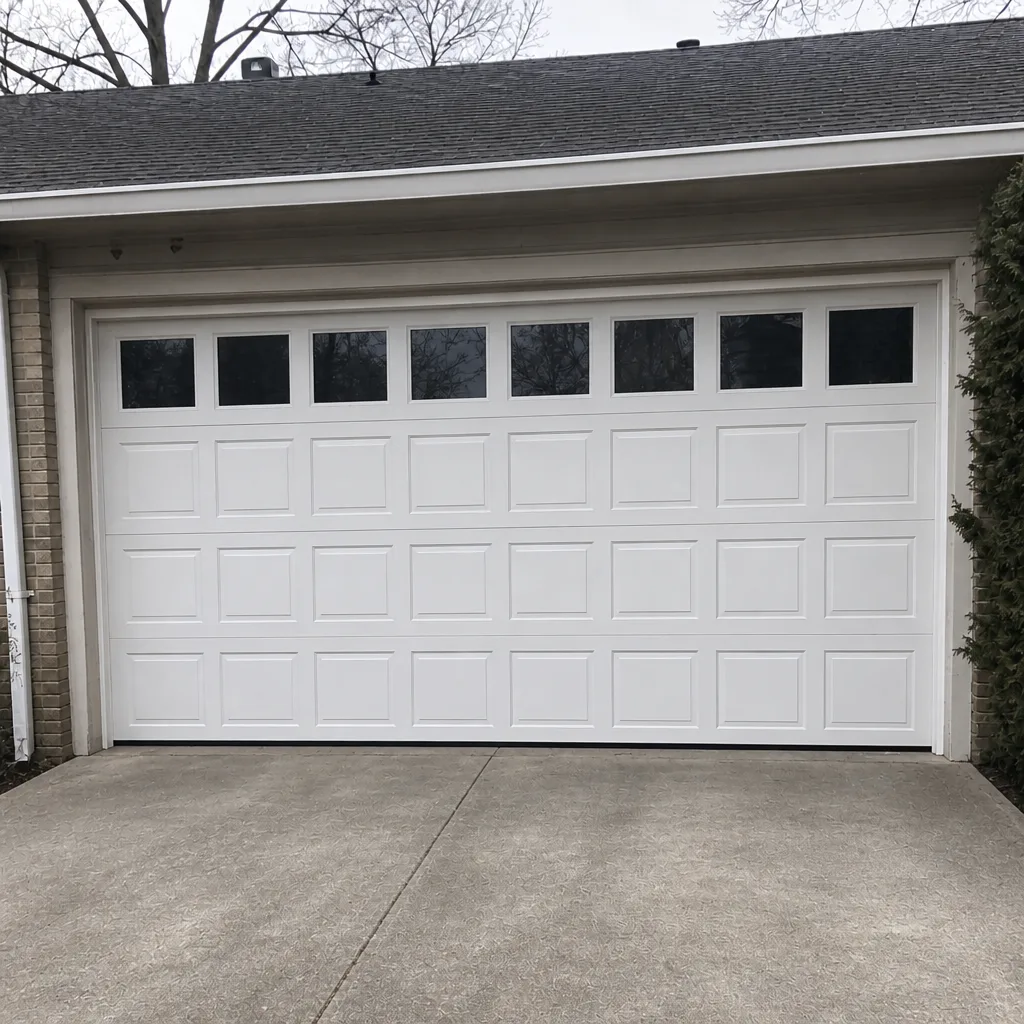
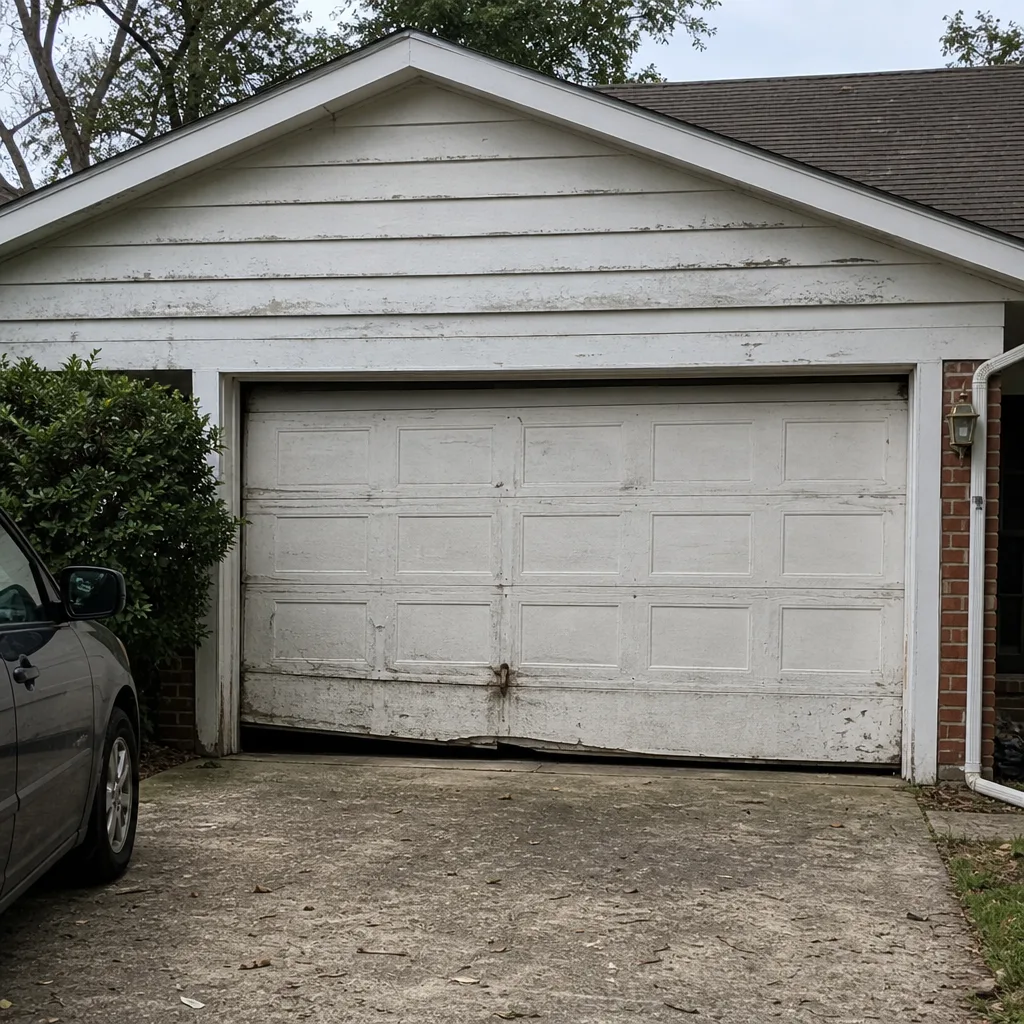
See the difference
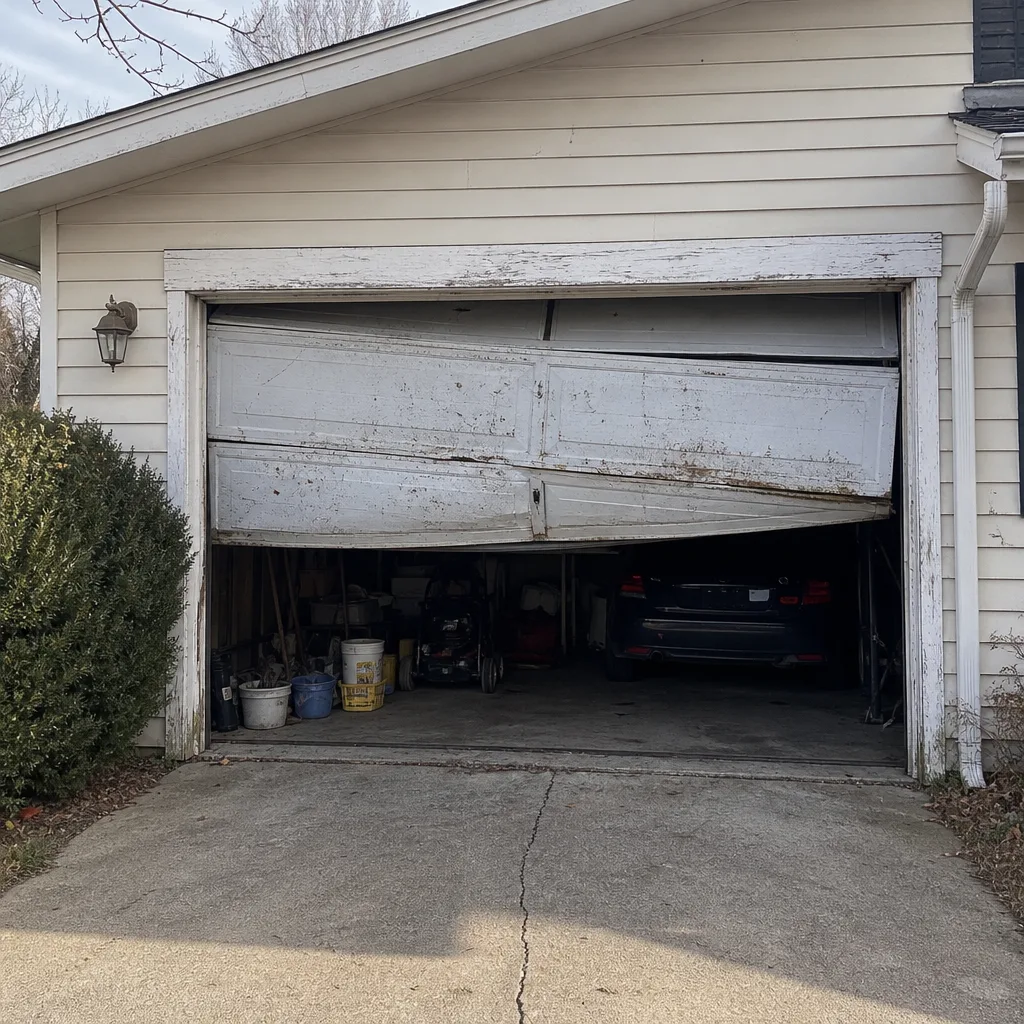 Before
 After
 Before
 After
 Before
 After
When to Call a Professional
Call a professional before you start if any part of the job is unclear: the opening size, the header condition, the electrical setup, or the fire separation question. Those are the honest decision points, and getting them wrong is where jobs fail inspection. Call us if your door binds or won’t operate smoothly after replacement, if you’re upgrading to a smart opener and don’t know whether your circuit can handle it, or if the framing looks out of square above the opening. Those symptoms point to structural issues that need eyes on them. Our technicians have up to 9 years of experience with Wayne Dalton, LiftMaster, and other major brands, and can tell you whether a repair is the right move or whether you’re looking at a replacement. Garage Door Repair Northwood offers free estimates in Northwood. Call (877) 492-1668 for a written price before any work starts.
Frequently Asked Questions
Usually no. Baltimore County generally doesn’t require a permit for a like-for-like garage door replacement with the same opening, no structural changes, and no new electrical work. If the job involves a new rough opening, a header change, new electrical, or a fire separation change, a permit is required. Call the county’s building department to confirm before work begins.
Four conditions trigger a permit: a new rough opening, a structural header modification, new electrical work for an opener circuit, and a fire separation change on an attached garage. Any one of these turns a simple replacement into a permitted job. The county’s building department can confirm which applies to your project.
Yes, if the door serves as part of the fire separation. Under IRC R302.5, the assembly between an attached garage and the living space must meet fire separation requirements. That’s usually the pedestrian door from the garage into the house, but it can include the overhead door in some configurations. Confirm the assembly before replacing anything that’s part of the fire rating.
Only if you’re running a new dedicated circuit from the panel. Swapping an opener on the existing garage circuit typically doesn’t require new electrical work. Installing a new 20-amp line for a modern smart opener does, and a licensed electrician handles that permit.
The work gets stopped, corrections are made, and a re-inspection is scheduled. That adds delay, a re-inspection fee, and possibly some rework depending on what failed. The upfront permit is the cheaper and smoother path when one is required, and it avoids the stop-work order entirely.
Repair costs vary with the failure: spring replacement, opener repair, track straightening, and cable work all price differently. We give a written estimate after we see the door, and the price is quoted and agreed before any work starts. Call (877) 492-1668 for an exact quote. Estimates are free.
The Bottom Line
Most Northwood garage door replacements don’t need a permit, and that’s a real advantage. The exemption is narrow, though, and it depends on the job staying truly like-for-like. New rough openings, header modifications, new opener circuits, and fire separation changes all move the work into permit territory. Knowing those four conditions protects you both ways: you avoid pulling permits you don’t need and avoid skipping the ones you do. When the permit question applies, confirm with Baltimore County’s building department and get the work inspected. The upfront permit beats a stop-work order every time. And when the door itself is the problem, we’re ready to help.
Need a free estimate on a repair, opener, or replacement? Call Garage Door Repair Northwood at (877) 492-1668. We handle garage door opener repair, spring repair, full installation, and emergency service when a door won’t open or close. One call covers it, and the price is agreed before any work starts.
Written by the team at Garage Door Repair Northwood.