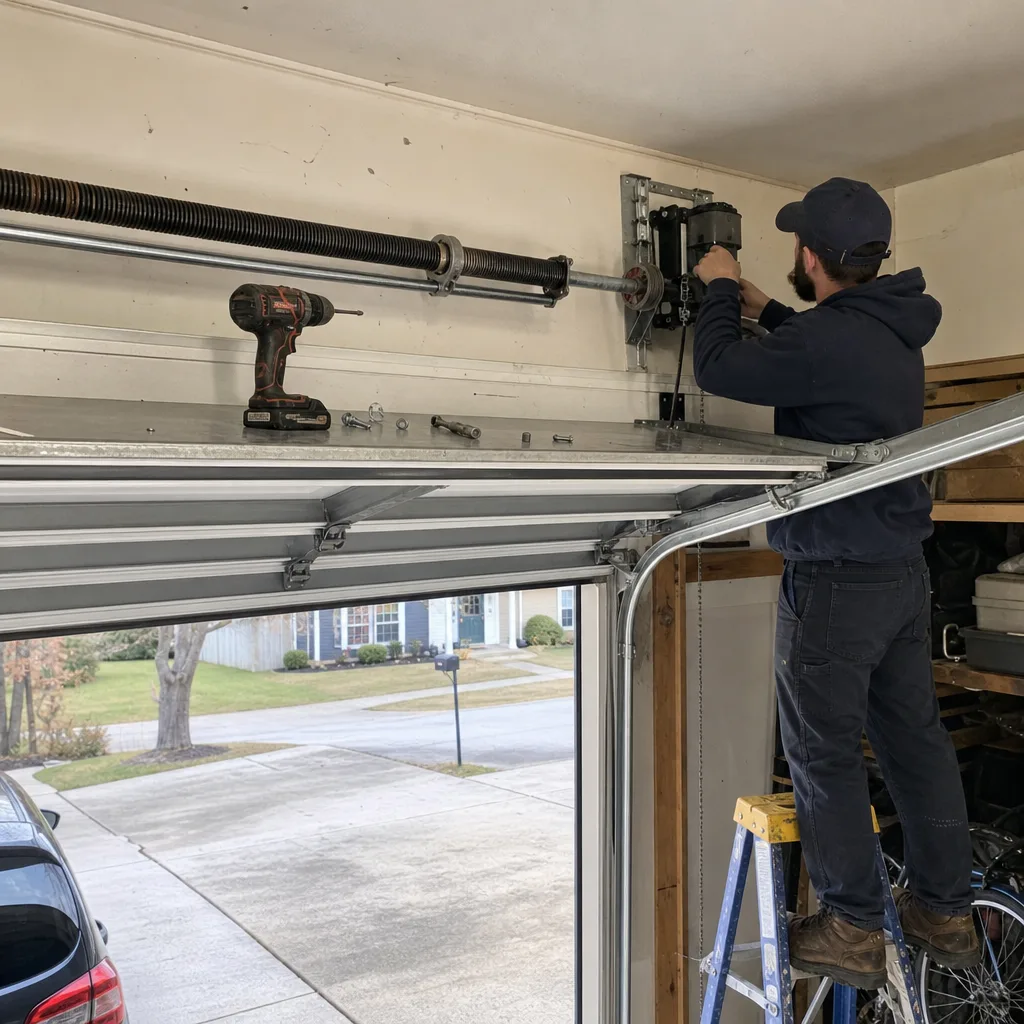
Last updated November 20, 2026
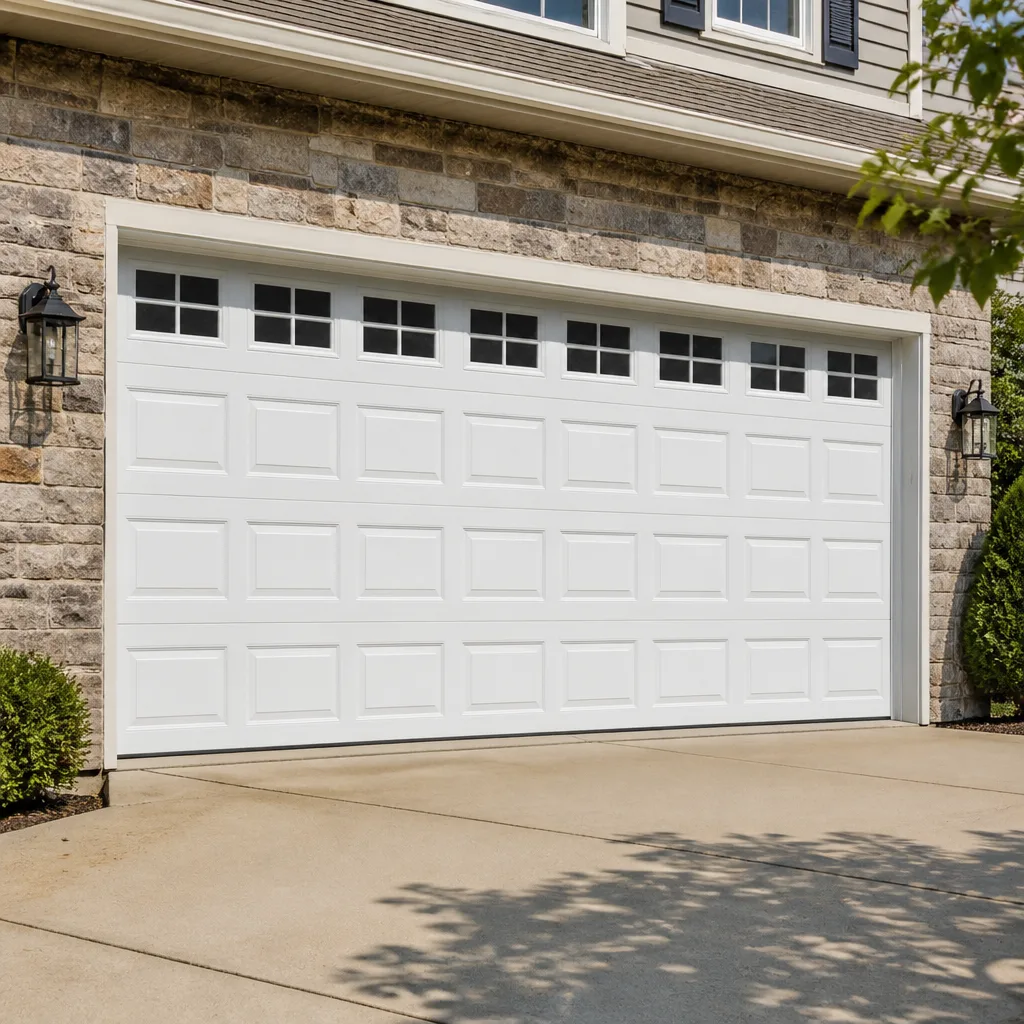 Raised-panel steel
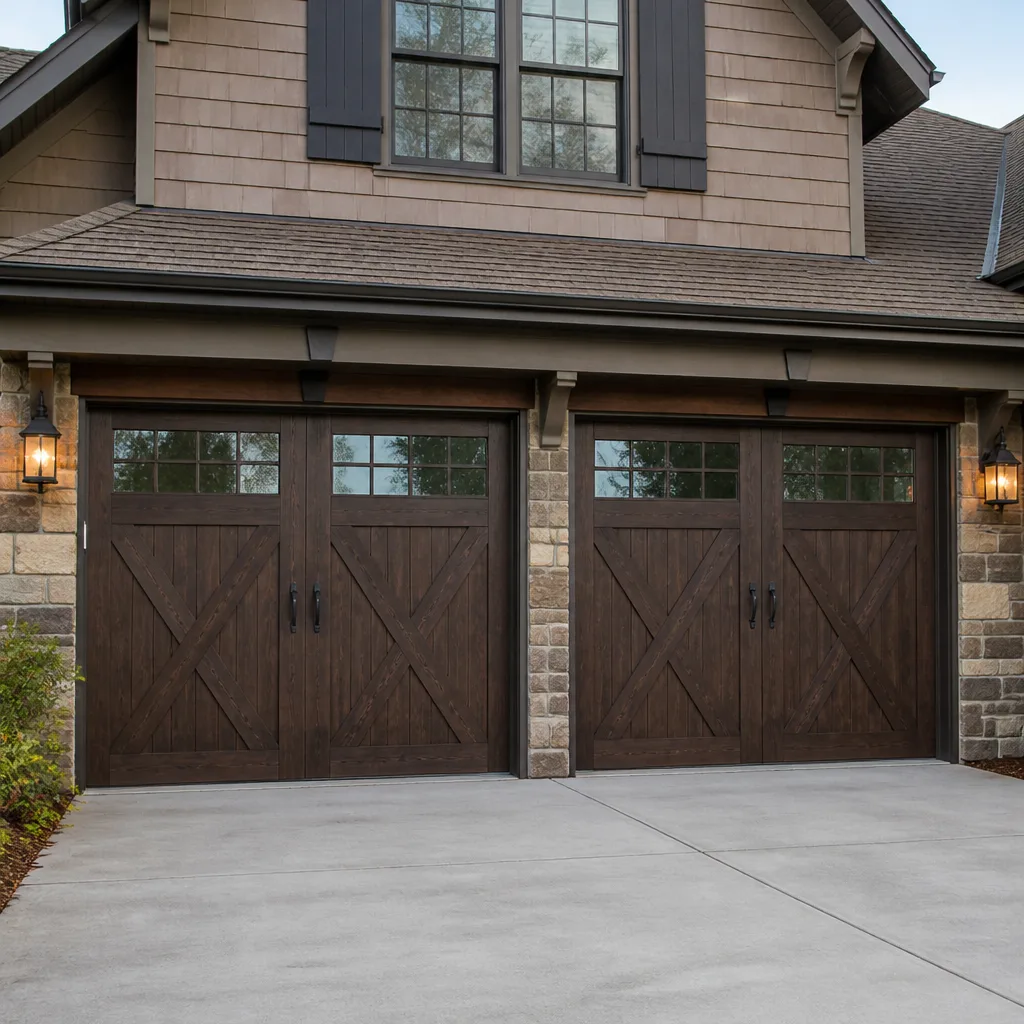 Carriage house
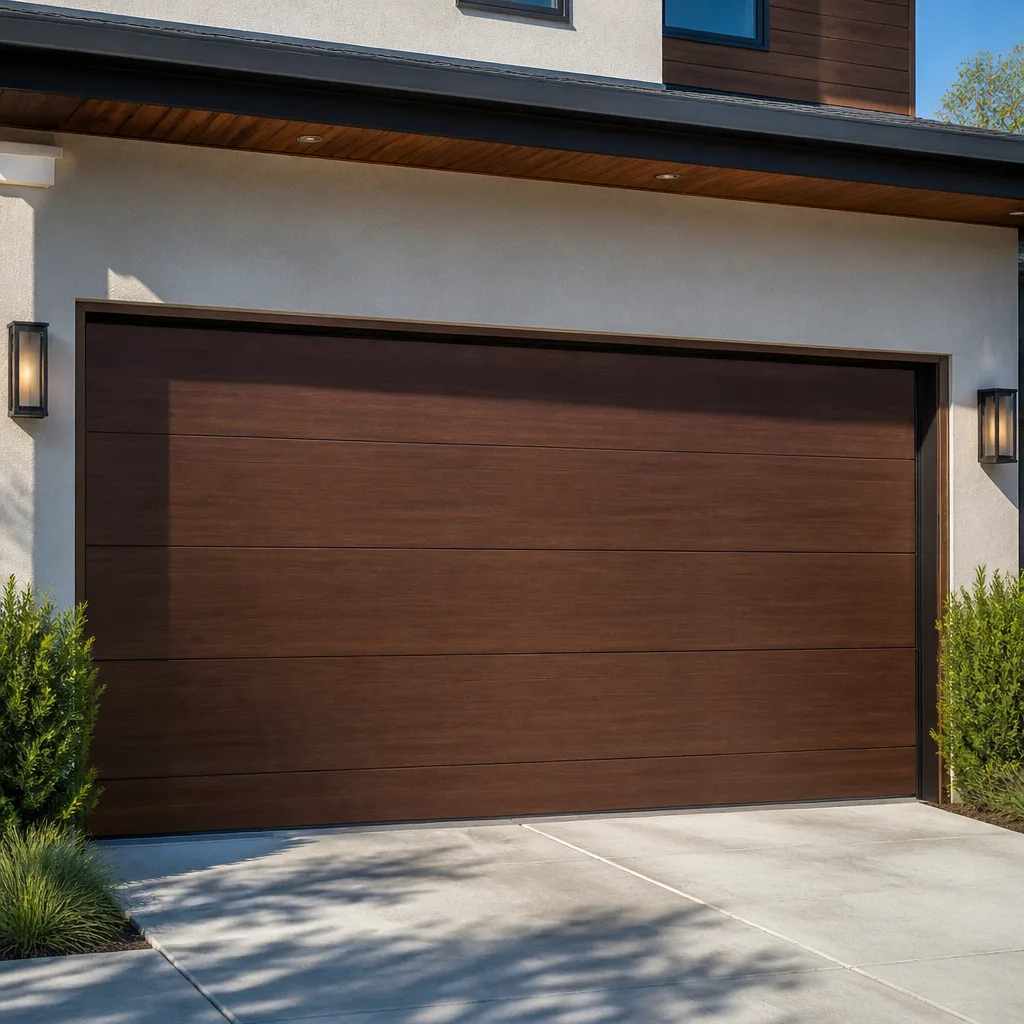 Modern flush
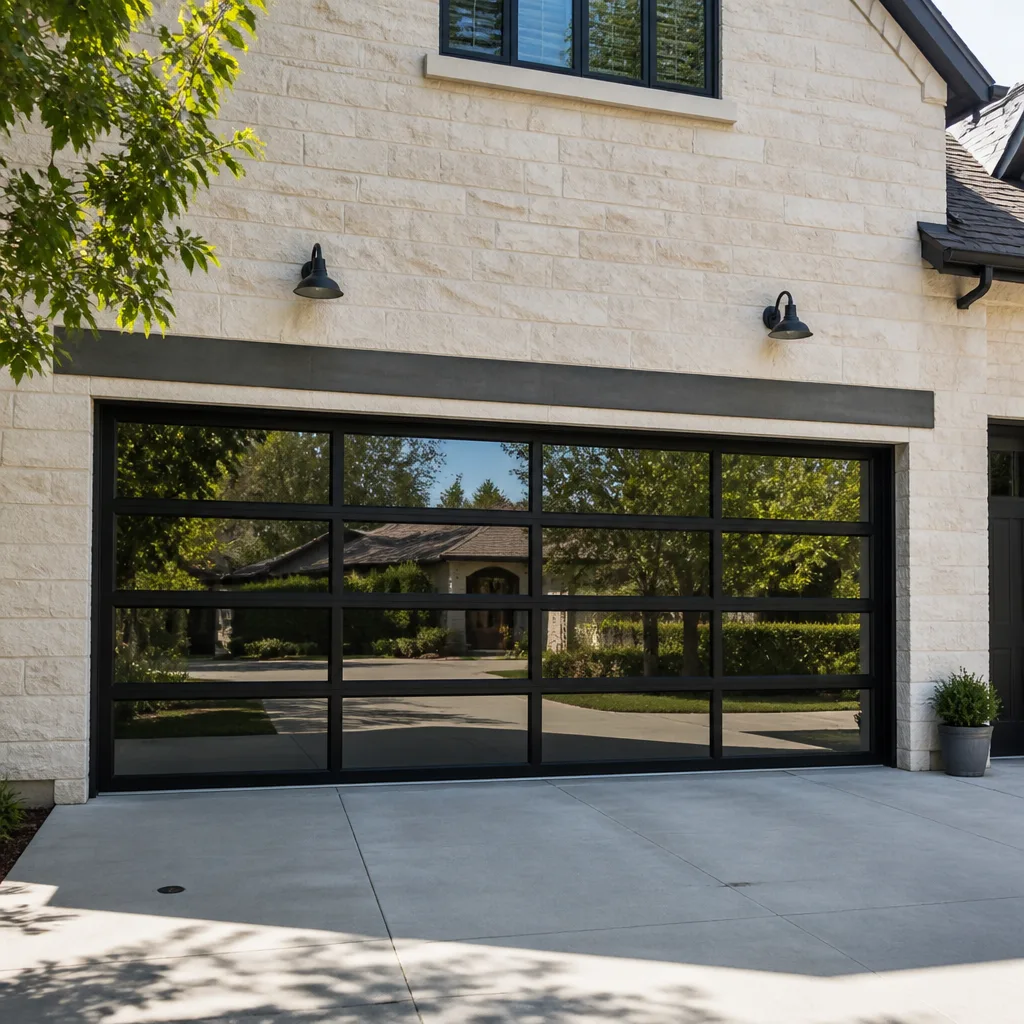 Full-view glass
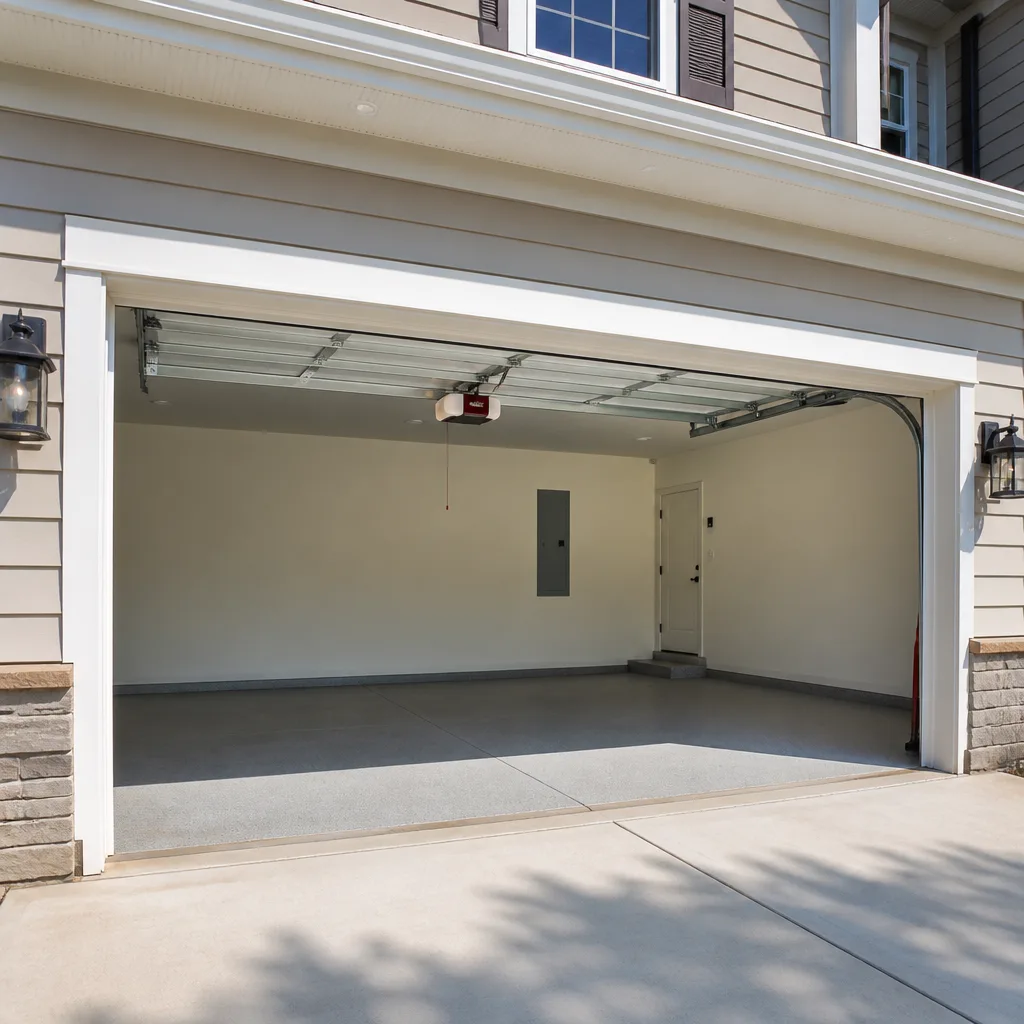 LiftMaster openers
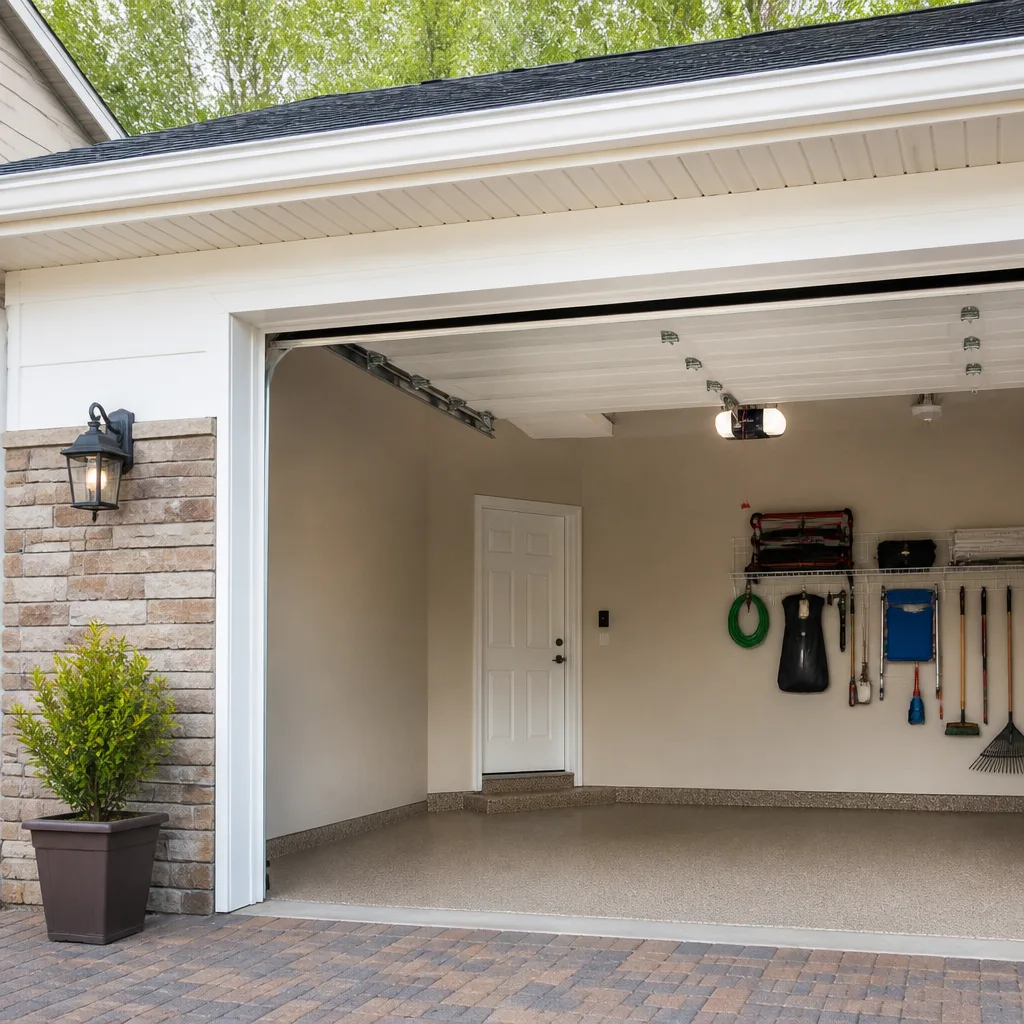 Chamberlain openers
Full 25-point door and opener safety check with every visit - springs, cables, rollers, tracks, and your LiftMaster or Chamberlain opener included
You get a price before we start. It does not change when the pro arrives.
Get your free estimateHow to Hire a Garage Door Contractor in Northwood: A Step-by-Step Guide
Here’s the uncomfortable truth about garage doors in Maryland: a company can hold a valid home improvement contractor license without a single hour of garage-door-specific training. The license proves the business registered with the state. It does not prove anyone on the crew knows how to size a torsion spring, match a cable drum to a track radius, or tell you whether a new LiftMaster opener will talk to the door you already own. Which means the standard advice to “check for a license” is a starting line, not a finish. This guide shows you what to pair it with, what to ask before anyone shows up at your door in Northwood, and how to read an estimate so the quote you sign is the quote you pay.
Styles & brands we work with
- Raised-panel steel
- Carriage house
- Modern flush
- Full-view glass
- LiftMaster openers
- Chamberlain openers
Quick Answer
Hiring a garage door contractor in Northwood means verifying the Maryland Home Improvement Commission (MHIC) license first, then asking three technical questions that a generalist cannot answer: how the spring is sized and cycled, which opener platforms are compatible with your existing door, and what cable drum type the track uses. Get those answers in writing on the estimate, confirm parts and labor warranty terms in the same document, and make sure the price is fixed before any work starts. A specialist answers all three without hedging. A handyman who lists garage doors as a side service will guess, or change the subject.
Table of Contents
- Step 1: Verify the Maryland MHIC License in Under Two Minutes
- Step 2: Ask the Three Technical Questions a Generalist Can’t Answer
- Step 3: Structure Your Estimate Request So Quotes Are Actually Comparable
- Step 4: Red Flags Specific to Garage Door Work
- Step 5: What a Real Parts and Labor Warranty Looks Like in Writing
- Why Specialist vs. Generalist Matters More in Northwood
- What Not to Touch, and Why
- Common Mistakes to Avoid
- When to Call a Professional
- Frequently Asked Questions
- The Bottom Line
Step 1: Verify the Maryland MHIC License in Under Two Minutes
Maryland requires home improvement contractors to hold an MHIC license, and the commission publishes a free public lookup tool on its website. You need the contractor’s license number, not just the company name. The number should appear on the estimate, the contract, and the vehicle or paperwork that arrives at your door. If a contractor can’t produce a number on request, that’s your answer, and the conversation is over.
Here’s what the lookup tells you: whether the license is active or expired, whether it’s held by a business entity or an individual, whether the commission has recorded complaints, and whether the contractor carries the general liability insurance Maryland requires as a condition of licensure. That’s real information, and it’s worth the ninety seconds.
What the license does not tell you
It doesn’t tell you how much garage door work the company has actually done. Maryland’s licensing framework groups garage doors under the broad home improvement category alongside decks, kitchens, and bathroom remodels. A contractor who has installed fifty garage doors and one who has installed two can hold identical licenses. The license is a floor, not a ceiling.
What it also won’t tell you is whether the crew is employees or subcontractors, whether the company works on torsion springs regularly or only occasionally, or whether the technician arriving at your Northwood home has ever handled a Raynor door with a high-lift track. Those are the questions you’ll cover in Step 2. Run the license check, confirm the number is active, and then keep reading.
Step 2: Ask the Three Technical Questions a Generalist Can’t Answer
This is where you separate the specialist from the company that added “garage doors” to its service list because it seemed like easy money. Ask these three questions on the phone, before you book an appointment. A trained garage door technician will answer immediately and in specifics. A generalist will stall.
- How is the spring sized? Torsion springs come in specific wire gauges, lengths, and inside diameters, and the correct size depends on door weight and height. Ask: “How do you determine which spring goes on my door?” The right answer names door weight, height, and wire gauge. The wrong answer is “we bring a few and see what fits.” A technician should measure before quoting, not after.
- Which opener platforms do you work on, and what’s compatible with my door? Openers and doors aren’t interchangeable. A LiftMaster belt drive, a Chamberlain chain drive, and a Genie screw drive each have their own headroom and torque characteristics, and some doors can’t take a given opener without reinforcement. Ask what opener is on the door now and what replaces it. If the answer doesn’t mention the existing unit, that’s a problem.
- What cable drum type does my track use? Cable drums vary by track configuration: standard lift, high lift, and vertical lift all use different drums, and getting this wrong changes cable tension and creates a real safety issue. A technician who works on garage doors regularly knows drum types and can tell you which one your door uses after looking at it. A generalist has probably never heard the term.
You don’t need to understand the answers fully. You need to hear whether the contractor does. Fluency is hard to fake. If the person on the phone starts explaining door weight, spring wire gauge, and vertical versus standard lift without reaching for a script, you’re talking to someone who does this work daily. That fluency extends to brand-specific systems too. We work on LiftMaster, Chamberlain, Genie, Craftsman, Clopay, Amarr, Wayne Dalton, and Raynor systems specifically, and the reason that matters is that each brand has quirks: tension settings, safety sensor behavior, track profiles. A technician who has seen a hundred of them troubleshoots faster and quotes more accurately.
Step 3: Structure Your Estimate Request So Quotes Are Actually Comparable
“Free estimates” can mean two very different things. In one version, a technician measures the door, identifies the failure, and writes a fixed price for the specific work. In the other, a salesperson quotes a range over the phone without seeing the door, then revises it once they’re standing in your garage. Those two quotes can’t be compared, and comparing them is how homeowners end up paying more than they expected.
To get genuinely comparable quotes, structure the request yourself. Tell each contractor exactly what the door is doing, provide the door’s make and model if you know it, and ask for the estimate in writing with these elements:
- Line items, not a lump sum. Parts and labor broken out separately, with the spring size or part number named.
- A statement of the diagnosis. What the contractor believes is wrong, in writing, before any work starts.
- A fixed price, not a range. “Between $200 and $400” is not an estimate. A fixed number is.
- The warranty terms, in the same document. Not a verbal “it’s covered.”
- Confirmation that the quoted price is the price. Ask directly: “If nothing else turns out to be wrong, is this the total?” Get it in writing.
That last point matters more than the rest. The written estimate should state that the price is quoted and agreed before work begins, and that any additional work requires a second approval from you. Any contractor who resists putting that in writing is telling you something useful.
Step 4: Red Flags Specific to Garage Door Work
Garage door problems have a particular failure mode for homeowners: the work is fast, the parts are unfamiliar, and you can’t easily verify afterward whether the spring installed was the correct one for your door. That asymmetry is what bad actors exploit. These are the flags that matter specifically for this trade.
Vague line items
“Spring replacement – $350” tells you nothing. A proper line item names the spring type, wire gauge, and cycle rating. If the estimate doesn’t include those details, you have no way to know whether the part installed was appropriate, or whether the price reflects a correct spring or a cheap one that will fail sooner.
No mention of spring type or size
Torsion springs are rated in cycles, which is the number of open-close cycles they’re designed to withstand. A proper spring replacement should be sized to your door and rated for a reasonable cycle count. An estimate that doesn’t mention the spring’s specification wasn’t written by someone planning to install the right one.
Quotes given without measuring the door
You cannot size a spring or a cable correctly without the door’s weight and dimensions. A quote given over the phone without measurement is either a placeholder or a guess. Both are worth declining.
Pressure to decide now
Emergency situations are real, and a door stuck open is a security problem. But “the price goes up tomorrow” or “I can only honor this if you book now” is a sales tactic, not a scheduling reality. A reputable contractor will give you a written price and let you think about it.
No insurance documentation
Garage door work involves high-tension springs and moving parts. Ask for a certificate of insurance. If the contractor can’t produce one, the risk transfers to you if something goes wrong on your property.
Step 5: What a Real Parts and Labor Warranty Looks Like in Writing
A verbal warranty is worth about as much as the paper it isn’t written on. Garage door warranties come in two parts that should be stated separately: the manufacturer’s warranty on the part itself, and the contractor’s warranty on the labor to install it. Both need to be in your paperwork.
What to look for:
- Parts coverage stated by the manufacturer’s own terms. Spring manufacturers publish cycle ratings and warranty periods. The contractor should tell you which spring they’re installing and what the manufacturer covers.
- Labor coverage stated in days or months. “If it fails, we’ll take care of it” is not a warranty term. “Labor warranted for X period from installation” is.
- Clear exclusions. What voids the warranty? Improper use, damage from impact, or work by another contractor are common exclusions, and knowing them up front prevents disputes later.
- The warranty in the same document as the estimate. If it’s only on a different page or a website, ask for it on the quote.
For a full door replacement, the manufacturer’s warranty on a Clopay or Amarr door is typically the more substantial part of the coverage, and the contractor should be able to tell you what it is for the specific model quoted. For a spring repair, the labor warranty is usually where the meaningful coverage sits. Ask about both, and keep the paperwork.
Why Specialist vs. Generalist Matters More in Northwood
Northwood’s housing stock includes a lot of homes where the garage was built as an addition or retrofit, and where the door and opener have been replaced at least once. That’s not a problem in itself. But it does mean the door, tracks, springs, and opener are often from different eras. A door from one manufacturer, a LiftMaster or Chamberlain opener from a second replacement, and springs sized for neither. Getting that assembly working correctly requires a contractor who understands how the pieces interact, not just how to swap one part.
That’s also why brand familiarity matters in practice. Genie and Chamberlain openers have different headroom requirements and different safety-reversing behavior. A Raynor door’s track profile may not match what a generalist expects. When you’re choosing a contractor in Northwood, ask whether they work across these brands regularly. If the answer is yes and they can talk through the differences, you’ve found someone who won’t need a second opinion mid-job.
A specialist also handles the whole lifecycle: Garage Door Repair Northwood covers repair, spring replacement, opener work, and full installation, which means you don’t have to coordinate three different contractors for a door problem that touches all three. That’s not a convenience argument. It’s a correctness argument. When one contractor owns the diagnosis and the install, there’s no gap where a mismatched part gets blamed on the other guy.
What Not to Touch, and Why
Garage door springs are under extreme tension at all times, even when the door is down. That stored energy is what lifts the door, and releasing it incorrectly can cause serious injury. This is not a component to inspect or adjust yourself, and it’s not something to hand off to a generalist who hasn’t worked on springs before.
The same caution applies to the cables and drums. A cable under tension that slips off a drum can whip with enough force to cause real harm. If your door has a broken spring, a snapped cable, or a door that has come off its tracks, the correct move is to stop operating it and call a technician. Don’t try to open or close the door manually to “see if it still works.” A door with a broken spring is much heavier than it looks, and a door off its tracks can fall.
For electrical work on the opener, the caution is less dramatic but still real. If the opener is wired into a circuit that trips or a light that flickers, that’s an electrical question, and it should go to someone qualified to answer it. A trained technician can tell you whether the problem is in the opener or in the wiring, and if it’s the wiring, the job needs an electrician. If you need garage door opener repair, that starts with a technician who can make that call correctly.
When a door is stuck open, the security concern is immediate. You can’t leave a Northwood home with an open garage overnight. That’s the situation garage door repair emergency service exists for, and it’s worth knowing the number before you need it.
Common Mistakes to Avoid
- Hiring on price alone without reading the line items. The cheapest quote is often cheapest because the spring is undersized or the labor warranty is missing. Compare what’s in the estimate, not just the total. In Northwood, where doors are often retrofits with mismatched components, the wrong spring can fail faster than the one it replaced.
- Accepting a phone quote without a measurement. A quote given before anyone has measured the door’s weight and height is a guess. Ask for the estimate after a site visit, and expect the technician to measure before writing a number.
- Not asking what spring is being installed. The spring specification determines how long the repair lasts. If the estimate doesn’t name the wire gauge, length, and inside diameter, ask why not.
- Taking a verbal warranty. “We stand behind our work” isn’t a warranty. Get the parts coverage and the labor coverage written on the estimate, with the exclusion terms stated.
- Letting a generalist handle a spring or cable job. The license check doesn’t screen for spring experience. The three technical questions in Step 2 do. Ask them every time.
- Assuming the opener and the door are compatible because both work. A new opener paired with an older door can put stress on panels and tracks. If you’re replacing the opener, ask whether the door needs reinforcement first.
- Waiting on a door that’s off its tracks. A door that has jumped the track can fall. Stop using it and call for service rather than trying to guide it back into place.
When to Call a Professional
Some garage door problems are cosmetic and can wait. Others need a call today. The line is clearer than most homeowners expect.
Call a professional if the spring is broken (you’ll usually hear a loud snap and find the door suddenly very heavy), if a cable is frayed or has come off the drum, if the door is off its tracks or hanging unevenly, if the opener runs but the door doesn’t move, if the safety sensors are misaligned and the door won’t close, or if the door has become difficult to lift by hand. Any of those situations involves either stored energy that can hurt someone or a security gap that leaves your Northwood home exposed.
Cosmetic issues like a noisy door, a worn weather seal, or a scratched panel can be scheduled without urgency. But if the door won’t close fully, that’s a security problem tonight, not next week. Garage Door Repair Northwood offers free estimates in Northwood – call (877) 492-1668.
Frequently Asked Questions
Use the Maryland Home Improvement Commission’s public license lookup on the MHIC website, and search by the contractor’s license number rather than the company name. The lookup confirms whether the license is active, whether it’s held by a business or an individual, and whether insurance is on file. Ask for the license number in writing on the estimate so you know which number to check. Call (877) 492-1668 for an exact quote – estimates are free.
Spring repair pricing depends on the door’s weight, the spring type, and whether one or both springs are being replaced; a written estimate after measuring the door is the only reliable number. A matched pair is usually replaced together, so a pair costs about twice a single spring. The price is quoted and agreed before any work starts, and the written estimate sets the final price. Call (877) 492-1668 for an exact quote – estimates are free.
Ask how they size the spring for your door, which opener platforms they work on and what’s compatible with your existing door, and what cable drum type your track uses. A specialist answers all three immediately and in technical detail. A generalist will hesitate, give a generic answer, or change the subject, and that hesitation is your signal. Call (877) 492-1668 for an exact quote – estimates are free.
A free estimate is legitimate when it comes with a site visit, a measurement, and a written fixed price. It becomes a tactic when the quote is given over the phone without seeing the door, or when the price is presented as a range that gets revised later. Structure your request around line items, a diagnosis, and a fixed total, and the free estimate becomes genuinely useful. Call (877) 492-1668 for an exact quote – estimates are free.
A proper warranty states two things separately: the manufacturer’s coverage on the part and the contractor’s coverage on the labor, each with a defined duration and clear exclusions. Verbal assurances aren’t warranty terms. Ask for both on the estimate document, and confirm what voids the coverage before you sign. Call (877) 492-1668 for an exact quote – estimates are free.
No. Garage door springs are under extreme tension at all times, and releasing that tension incorrectly can cause serious injury. This is one of the few home repairs where the risk is genuinely severe, not just inconvenient. A trained technician has the tools and the knowledge to release tension safely; the cost of the repair is far less than the cost of an injury. Call (877) 492-1668 for an exact quote – estimates are free.
The Bottom Line
Hiring a garage door contractor in Northwood comes down to three steps that most homeowners skip. Verify the MHIC license number, because it’s a floor, not a ceiling. Ask the three technical questions, because a specialist’s fluency is hard to fake and a generalist’s hesitation is easy to spot. And get the estimate in writing with line items, a diagnosis, a fixed price, and warranty terms, because that document is your protection if anything goes wrong. The companies that pass all three checks are the ones worth calling. Garage Door Repair Northwood works on LiftMaster, Chamberlain, Genie, Craftsman, Clopay, Amarr, Wayne Dalton, and Raynor systems, and if you’re planning garage door installation, the same three questions apply. Our technicians have up to 9 years of experience.
Call (877) 492-1668 for a free estimate. We’ll measure the door, answer the technical questions, and give you a written price before any work starts.
Written by the team at Garage Door Repair Northwood.
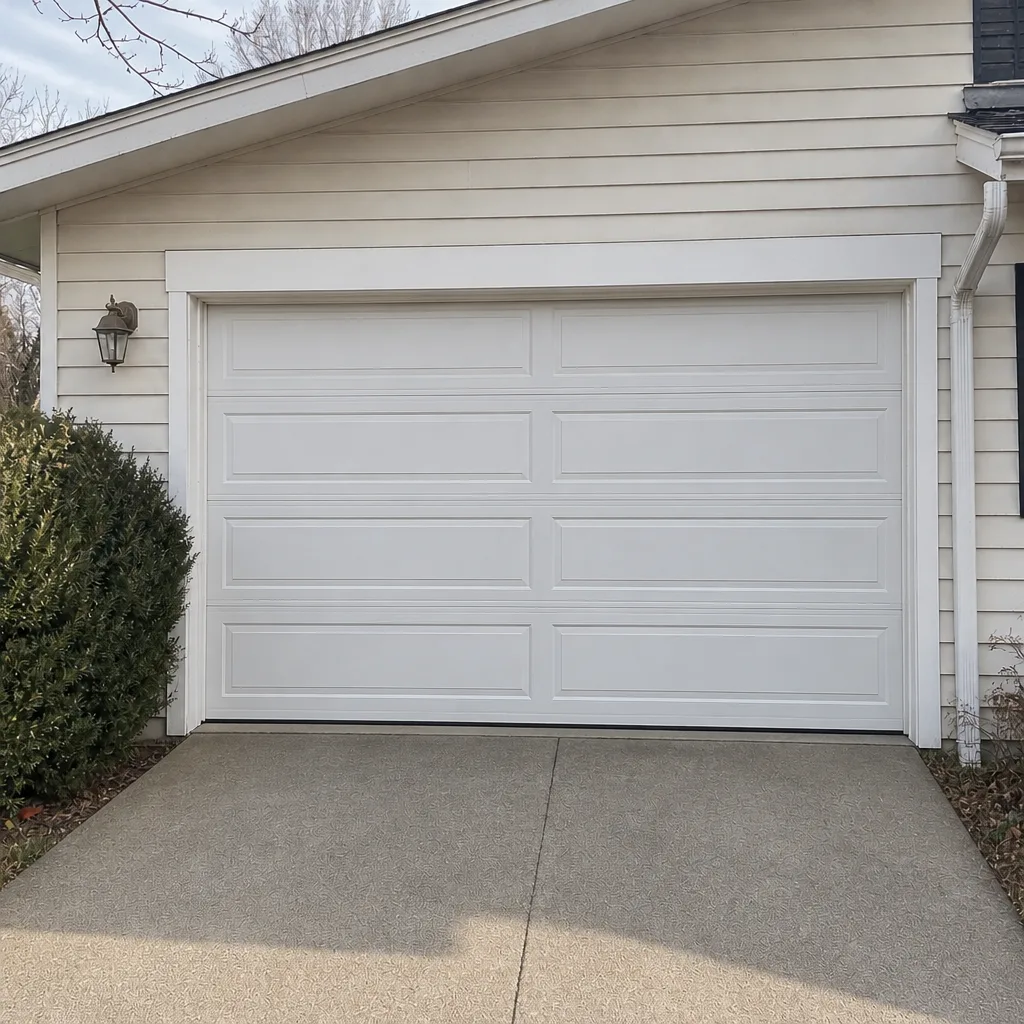
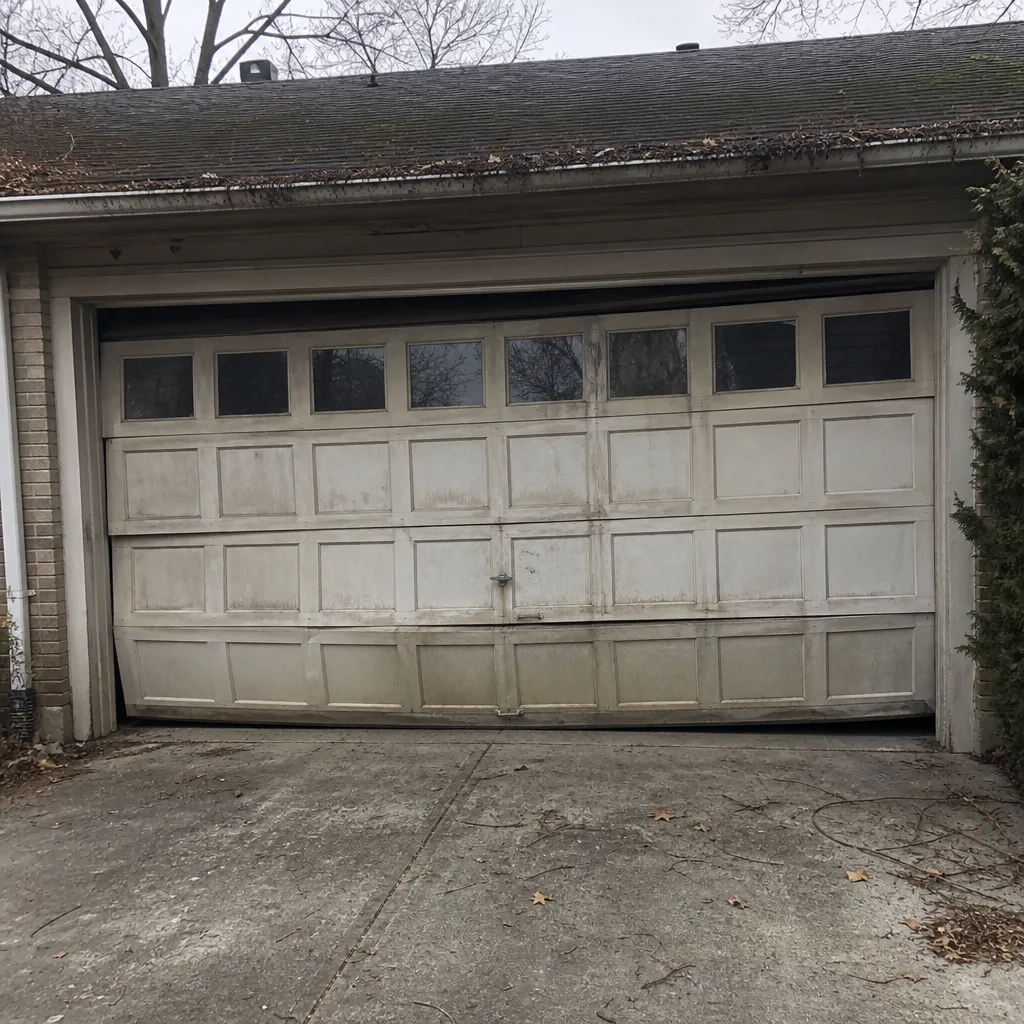
See the difference
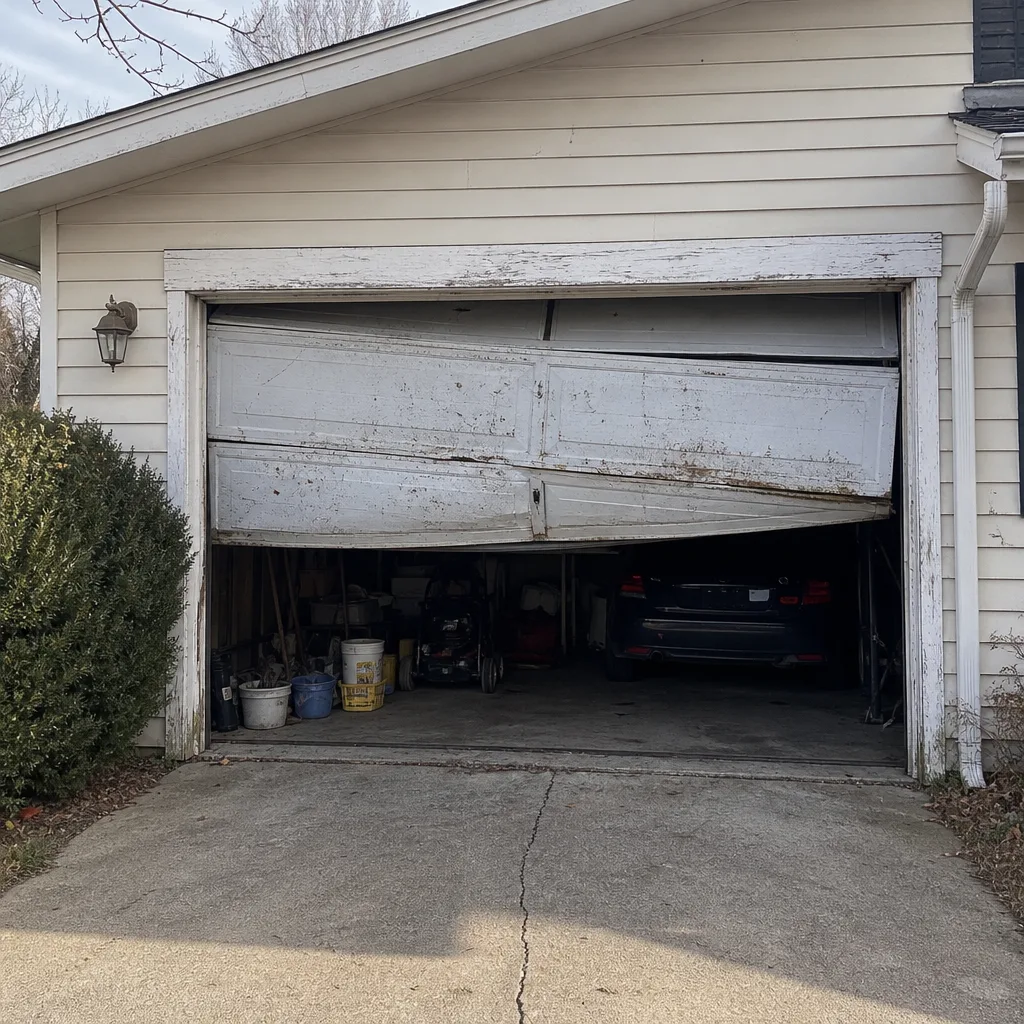 Before
 After
 Before
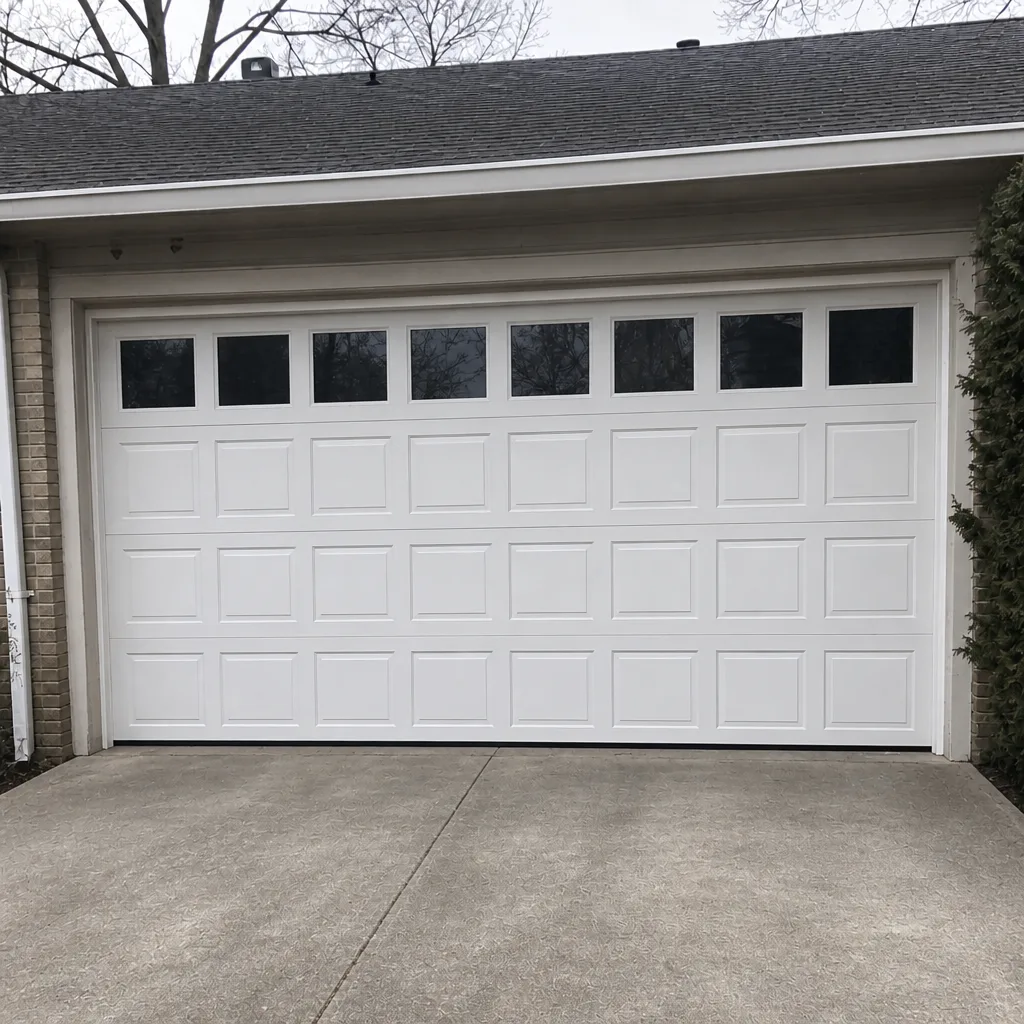 After
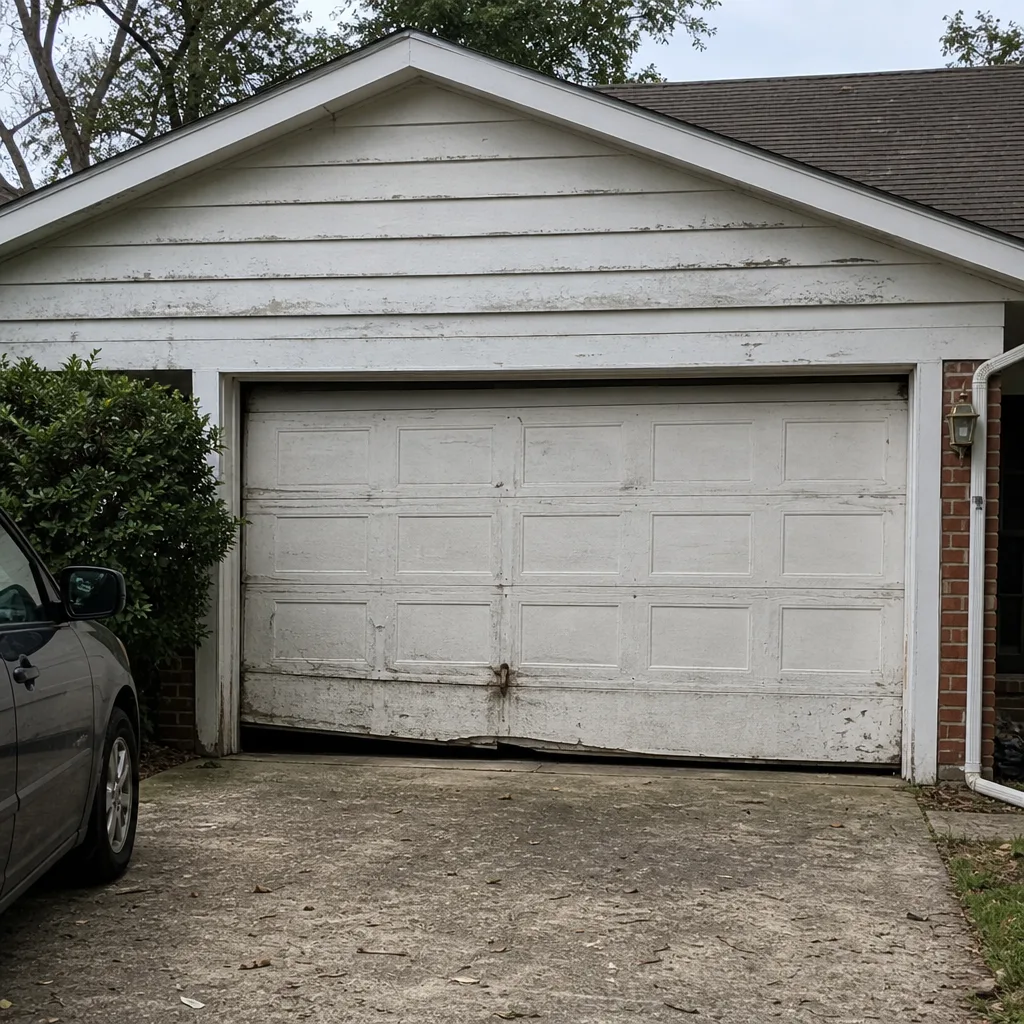 Before
 After